
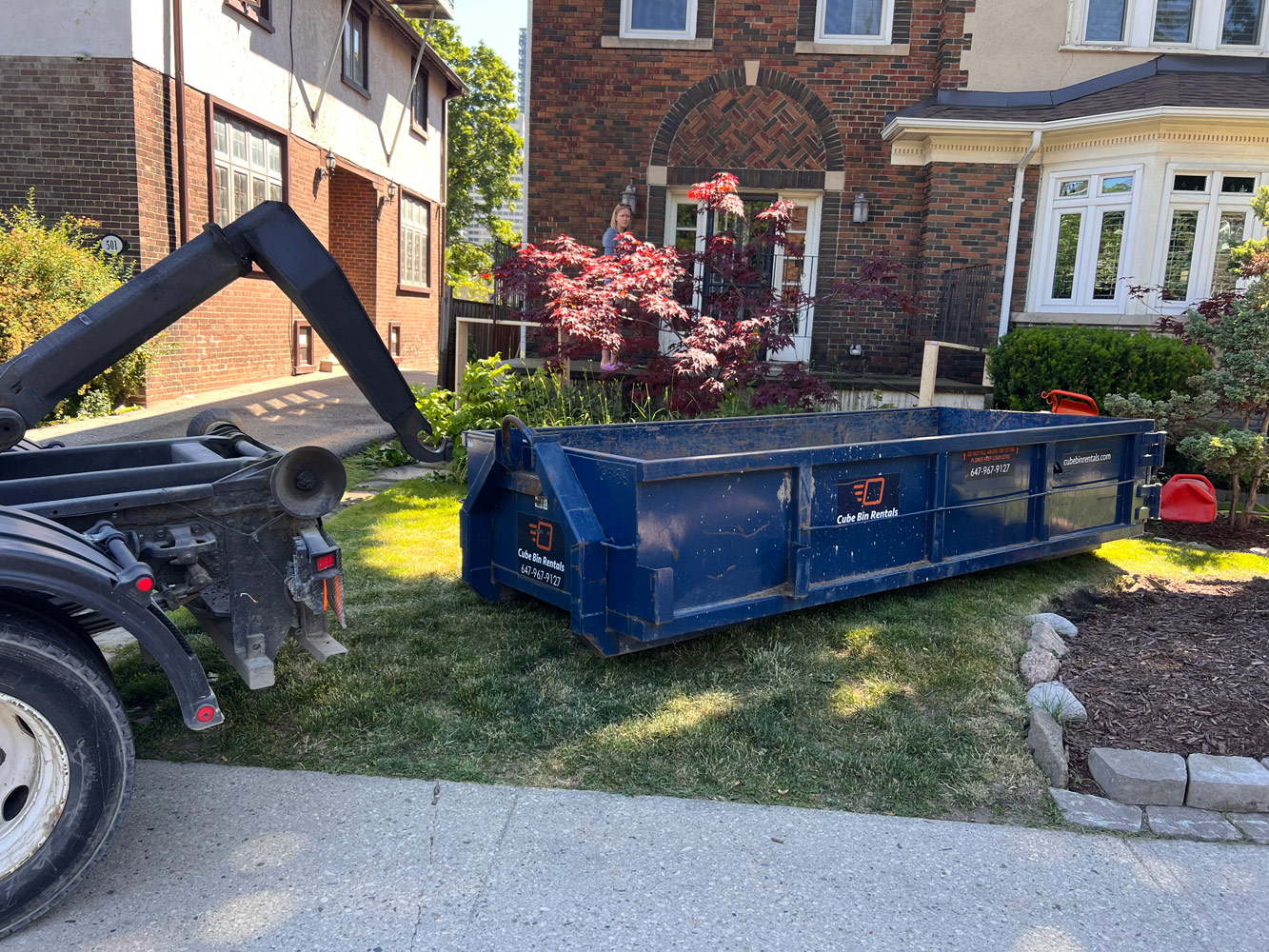
Seasonal yard cleanups can leave homeowners with more leaves, branches, weeds, and garden debris than they know what to do with. When searching for a dump yard near me, it is important to understand that not every disposal facility accepts the same materials, and some yard waste can be handled through Toronto’s regular collection program.
Knowing what qualifies as yard waste, how to prepare it for collection, where it can be dropped off, and when a private disposal solution makes more sense can make the cleanup process much easier. For larger landscaping projects, tree trimming, or extensive seasonal cleanups, a yard waste bin can also provide a convenient way to manage a substantial volume of debris.
What Counts as Yard Waste?
Yard waste generally refers to organic material generated through routine gardening, landscaping, and property maintenance. However, Toronto has specific rules about what can and cannot be placed out for yard waste collection.
Leaves and Garden Debris
Leaves, twigs, roots, plant material, weeds with excess soil removed, brush cuttings, mulch, and trimmings from trees, hedges, and shrubs are among the materials accepted through Toronto’s yard waste program. Waste fruit from trees, pumpkins, gourds, and corn stalks are also accepted.
Branches and Tree Trimmings
Small branches can be included in yard waste collection when they meet the City’s preparation and size requirements. Branches must be bundled using natural fibre rope such as burlap or twine, with bundles limited to the required dimensions and weight.
Toronto currently states that branches set out for collection cannot exceed 7.5 centimetres in diameter. Larger pieces need to be handled through a private company or another appropriate disposal option.
What Should Not Go in Yard Waste?
Not everything from a garden belongs in yard waste collection. Toronto does not accept grass clippings, sod, soil, kitchen waste, or pet waste as yard waste. Pulled weeds should have excess soil removed before being placed in the yard waste stream.
Invasive plants also require special handling. The City instructs residents to place invasive plants in securely tied plastic bags and set them out as garbage rather than yard waste to help prevent their spread.
Keeping prohibited materials separate helps prevent contamination and ensures that your collection is not refused.
Toronto Yard Waste Pick Up: How Curbside Collection Works
For many homeowners, Toronto yard waste pick up is the easiest way to dispose of routine garden debris.
The City provides seasonal yard waste collection, but homeowners need to follow specific preparation and set-out requirements. Checking the current collection schedule before putting material at the curb is important because collection dates and seasonal services can change.
1. Preparing Yard Waste for Collection
Toronto requires yard waste to be placed in kraft paper yard waste bags or suitable rigid, open-top containers. The City does not collect yard waste placed in plastic bags or cardboard boxes.
Branches and brush must be properly bundled, and the City’s size and weight requirements should be followed. Keeping containers and bundles prepared according to the current guidelines can help prevent missed collection.
2. Seasonal Yard Waste Collection
Yard waste collection follows a seasonal schedule rather than operating exactly like regular garbage collection throughout the year.
Residents should check the City’s current collection information before setting out material. This is particularly important during spring and fall when large amounts of yard debris are generated.
3. What to Do When You Miss Collection
If you miss a scheduled collection, you may need to wait until the next available collection date or consider another disposal option.
For smaller amounts, storing properly prepared yard waste until the next collection can be practical. For larger amounts, a municipal drop-off facility or private disposal service may be more convenient, particularly when you are working against a landscaping or renovation deadline.
Yard Waste Toronto: Where Can You Take It?
Homeowners looking for ways to manage yard waste Toronto residents generate have several options beyond curbside collection.
Toronto operates Drop-Off Depots where eligible yard waste can be taken year-round, subject to the City’s current rules.
1. Municipal Drop-Off Facilities
Toronto’s Drop-Off Depots accept yard waste, although individual locations can have different accepted materials and operating arrangements. The City currently lists several depots that accept yard waste, including locations such as Bermondsey, Commissioners, Disco, Dufferin, Ingram, Scarborough, and Victoria Park.
Before loading your vehicle, check the specific depot’s accepted materials, hours, and current requirements.
2. Private Yard Waste Disposal Options
Private disposal services can be useful when the amount of material is too large for routine curbside collection or when homeowners do not want to make repeated trips to a drop-off facility.
This can be particularly useful after major tree trimming, landscaping work, garden renovations, or storm cleanup.
3. How to Find a Dump Yard Near Me
Searching for a dump yard near me may provide several results, but proximity should not be the only consideration.
Before visiting a disposal facility, confirm that it accepts your particular type of yard waste. You should also check operating hours, preparation requirements, vehicle restrictions, applicable fees, and any limits on the size or quantity of material.
Toronto’s Drop-Off Depots require a safe motorized vehicle and properly secured loads for waste disposal.
How to Find a Suitable Dumpyard Near Me
A search for dumpyard near me can help identify potential disposal locations, but homeowners should verify the details before making a trip.
- Check What Materials Are Accepted
A facility that accepts general waste may not necessarily accept every type of organic yard material.
For example, Toronto’s Drop-Off Depots have specific restrictions on yard waste, including limits on branch diameter and length. Soil and grass are not accepted as yard waste at these depots.
- Confirm Drop-Off Requirements
Check whether the material needs to be bundled, bagged, separated, or otherwise prepared before arrival.
Also confirm whether the facility requires a particular type of vehicle or has restrictions on unsecured loads.
- Consider Distance and Convenience
The closest disposal facility is not always the most convenient. A location with limited operating hours or strict material restrictions may require additional planning.
If you have a large amount of yard waste, transportation becomes especially important because several trips can take considerable time.
Can You Compost Yard Waste at Home?
Composting can be an excellent way to reduce the amount of organic material that needs to be transported away from your property.
- Leaves and Grass Clippings
Leaves can be valuable compost material, while grass clippings are best managed appropriately at home. Toronto specifically recommends leaving grass clippings on the lawn or putting them in an outdoor composter rather than placing them out for yard waste collection.
- Small Garden Trimmings
Many small plant materials can be incorporated into an appropriate home composting system. However, homeowners should make sure that prohibited or invasive plant material is handled according to local disposal requirements.
- Benefits of Composting
Composting can reduce the amount of organic waste leaving your property while creating useful material for gardens and landscaping.
It can be particularly effective for routine maintenance where the volume of waste is manageable.
What to Do With Large Amounts of Yard Waste
Routine collection works well for everyday garden maintenance, but larger projects can create far more material than a homeowner can conveniently place at the curb.
1. After Tree Trimming
Tree and hedge trimming can generate branches, limbs, leaves, and other debris in a short period.
If branches exceed the permitted collection dimensions, private disposal may be necessary. Toronto specifically directs residents to arrange private disposal for wood that exceeds its yard waste collection limits.
2. During Landscaping Projects
Removing shrubs, plants, garden beds, and other landscaping features can generate a significant amount of organic debris. A backyard cleanout is often easier to manage with a dedicated container on site.
Instead of making repeated trips to a disposal facility, homeowners can consider arranging a private waste removal solution that keeps the debris contained while the project is underway.
3. After Storm Damage
Severe weather can leave homeowners with fallen branches and other organic debris.
When the volume is too large for normal curbside collection, a disposal bin can provide a practical temporary storage and removal solution.
When Is a Yard Waste Bin Rental a Better Option?
A yard waste bin rental can be a convenient alternative when a project produces more material than standard collection can handle.
With a bin on site, homeowners can place eligible yard debris into one central container rather than repeatedly loading a vehicle and travelling to a disposal facility.
1. Large Seasonal Cleanups
Spring and fall cleanups can produce substantial quantities of leaves, branches, plant material, and garden debris.
A bin can be useful when the cleanup covers a large property or when homeowners are completing several outdoor tasks at the same time.
2. Landscaping and Garden Renovations
Landscaping renovations can generate much more waste than routine gardening.
If you are removing old shrubs, clearing garden beds, trimming trees, or redesigning outdoor areas, having a container available throughout the project can make waste management more organised.
3. Tree and Hedge Trimming
Large-scale trimming can leave piles of branches and brush that are difficult to manage through normal collection.
A dedicated disposal container can keep the material contained and reduce the need to make multiple disposal trips. If you’re planning ahead for a big cleanup, you can contact us to check bin availability before the project starts.
4. Convenience Compared With Multiple Drop-Off Trips
Transportation is an important part of yard waste disposal.
For smaller amounts, loading a vehicle and visiting a municipal depot may be perfectly practical. For larger cleanups, however, multiple trips can consume time and require considerable effort.
A bin rental allows homeowners to manage debris at the property and arrange removal according to the service terms.
Yard Waste Disposal Options Compared
The right disposal method depends primarily on how much waste you have and what type of project you are completing.
- Best for Small Routine Cleanup
Municipal curbside collection is generally suitable for properly prepared yard waste generated through routine maintenance.
Home composting can also reduce the amount of material requiring collection.
- Best for Medium-Sized Cleanups
A municipal drop-off facility or private disposal service may be more practical when the amount of waste exceeds what you can conveniently store for regular collection.
- Best for Large Cleanups
For major landscaping projects, extensive seasonal cleanups, tree trimming, or storm debris, a yard waste bin can simplify the process by providing a central location for the material.
How to Prepare Yard Waste Before Disposal
Proper preparation helps ensure that yard waste reaches the appropriate disposal stream.
1. Separate Organic and Non-Organic Materials
Do not mix yard waste with soil, rocks, construction debris, plastic, household garbage, or other materials that are not accepted.
Toronto specifically excludes soil and grass from its yard waste collection program.
2. Break Down Large Branches Where Required
Branches should be prepared according to the requirements of the collection service or disposal facility.
For Toronto curbside collection, branches must not exceed the specified diameter and bundles must remain within the City’s length, width, and weight limits.
3. Keep Waste Accessible
Whether you are using curbside collection or a private bin, keep the waste properly contained and accessible.
For a rental bin, consider where it can be placed so that it is convenient for loading without interfering with driveways, walkways, neighbours, or other property features.
How to Choose the Right Yard Waste Disposal Method
Choosing the right option starts with assessing the project.
- Consider the Amount of Waste
A few bags of leaves and small garden trimmings may be easily handled through regular collection.
A large landscaping project, however, can generate several loads of material and may be better suited to private disposal or a rental bin.
- Consider Your Timeline
If your project needs to be completed quickly, waiting for the next curbside collection date may not be practical.
A drop-off facility or private disposal service may provide more flexibility when timing is important.
- Consider Transportation
If you have a suitable vehicle and only a small amount of debris, transporting yard waste yourself may be straightforward.
For larger volumes, repeated trips can become inconvenient. A bin placed at the property can reduce the amount of transportation required.
- Consider Convenience
Convenience is particularly important during major outdoor projects.
Having one place to collect debris can help keep the property organised and reduce the amount of time spent moving waste between the yard and a disposal facility.
Seasonal Yard Waste Disposal Guide
Different seasons can produce different types and quantities of yard waste.
1. Spring Cleanup
Spring often involves removing winter debris, dead plants, fallen branches, leaves, and garden material left from the previous season. A spring cleanout bin can make this process much faster.
It can also be a good time to assess whether your property’s routine collection service will be sufficient or whether a larger cleanup requires another solution.
2. Summer Maintenance
Summer yard waste commonly includes hedge trimmings, weeds, branches, and other garden maintenance debris.
Routine quantities may be manageable through regular collection or composting.
3. Fall Cleanup
Fall can generate substantial quantities of leaves, branches, plant material, and garden debris.
If you are clearing a large property, pruning trees, or preparing gardens for winter, planning your disposal method in advance can save time.
4. Storm and Emergency Cleanup
Storm damage can create unusually large amounts of branches and organic debris.
When material cannot be accommodated through regular collection, homeowners may need to consider a municipal drop-off facility or private disposal service.
Final Thoughts on Yard Waste Disposal
Proper yard waste disposal starts with knowing what materials you have and which disposal option is appropriate for them.
For routine garden maintenance, Toronto’s curbside collection and home composting can be practical choices. Eligible materials can also be taken to City Drop-Off Depots, provided homeowners follow the current requirements and restrictions.
For larger landscaping projects, extensive seasonal cleanups, tree trimming, or storm-related debris, a private disposal solution can be more convenient. Cube Bin Rentals can provide a central place to manage substantial volumes without requiring repeated trips to a disposal facility.
Whether you are searching for a dump yard near me or considering a bin rental, always check the accepted materials, preparation requirements, operating arrangements, and disposal rules before getting started.
Frequently Asked Questions
1. Where can I dispose of yard waste in Toronto?
Toronto residents can use eligible curbside yard waste collection, compost suitable materials at home, or take qualifying yard waste to City Drop-Off Depots. Private disposal services can also be considered for larger volumes or materials that do not meet municipal collection requirements.
2. How does Toronto yard waste pick up work?
Toronto provides seasonal yard waste collection with specific requirements for containers, bags, branches, and set-out procedures. Yard waste should be prepared according to the City’s current guidelines and placed out according to the applicable collection schedule.
3. Can I put branches and leaves in yard waste collection?
Eligible leaves, branches, and other plant material can be collected when they meet the City’s preparation and size requirements. Branches must be bundled correctly, and pieces over the permitted diameter require another disposal arrangement.
4. How do I find a dump yard near me?
Start by checking municipal and private disposal facilities in your area. Before visiting, confirm that the facility accepts yard waste, check its current hours and requirements, and verify whether there are restrictions on material size, quantity, vehicles, or fees.
5. Can yard waste be composted at home?
Yes, many organic yard materials can be composted at home. Toronto specifically recommends leaving grass clippings on the lawn or placing them in an outdoor composter rather than setting them out for yard waste collection.