
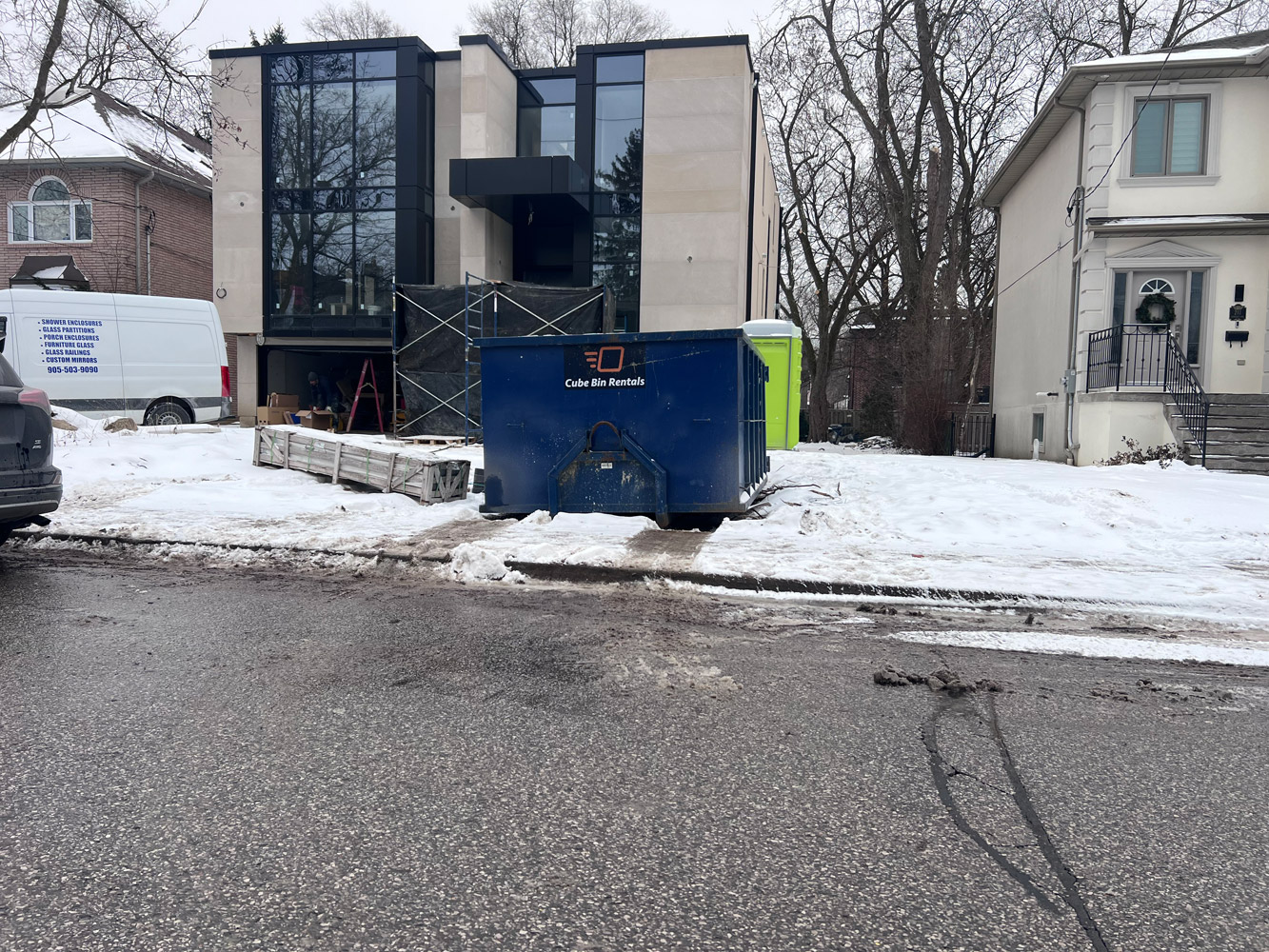
A home renovation can involve more waste than many homeowners initially expect. Removing old cabinets, flooring, drywall, bathroom fixtures, roofing materials, and other unwanted items can quickly leave a property cluttered with debris. Without a practical disposal plan, keeping the renovation area organised and managing waste removal can become challenging.
Choosing the right Dumpster rental in Scarborough service can make the cleanup process easier by providing a designated place for renovation debris. However, not every project needs the same bin size or type of rental. A small bathroom update may produce considerably less waste than a full kitchen renovation or a complete home remodelling project.
Before arranging a rental, it is important to understand how much waste your renovation may generate, which materials you need to dispose of, where the bin can be placed, and what the rental includes. This guide explains what Scarborough homeowners should consider when arranging a dumpster for their next renovation.
Why Home Renovations Need a Proper Waste Disposal Plan
Renovation waste can accumulate throughout different stages of a project. Demolition may produce broken drywall, wood, tiles, cabinets, and flooring, while later stages can generate packaging, offcuts, and leftover construction materials.
Leaving this debris around the property can create obstacles for contractors and homeowners. It may also make it harder to move materials, access work areas, and maintain a reasonably safe renovation environment.
Planning home renovation waste disposal before work begins helps you decide where debris will go as it is removed. Instead of allowing materials to pile up in driveways, garages, or outdoor spaces, a rental bin provides a central collection point.
A planned disposal arrangement can also reduce unnecessary trips to waste facilities and help keep the renovation moving. The goal is to choose a solution that matches the project’s waste volume and the materials being removed.
What Type of Dumpster Do You Need for Your Renovation?
The right dumpster depends on the scale of your renovation, the type of debris, and the available space at your property. Estimating the waste volume before booking can help you avoid choosing a bin that is too small or unnecessarily large. You can also explore this dumpster size guide to understand how different project requirements affect container selection.
1. Small Bathroom Renovations
A bathroom renovation may involve removing an old vanity, toilet, bathtub, tiles, drywall, and flooring. Although the room is relatively small, heavy materials such as ceramic tiles and bathroom fixtures can add considerable weight.
For this type of project, consider the amount of material being removed rather than judging the waste volume by the room’s size alone. Ask the rental provider which bin options are suitable for heavy renovation debris.
2. Kitchen Renovations
Kitchen renovations can produce a mixture of materials, including cabinets, countertops, flooring, drywall, packaging, and old fixtures.
If you are replacing most of the kitchen, the volume of waste may be greater than expected. Cabinetry and countertops can also occupy considerable space, particularly when they are not broken down into smaller pieces.
A suitable rental should provide enough capacity for the expected debris without creating unnecessary space or weight concerns.
3. Basement Renovations
Basement projects can generate drywall, insulation, flooring, wood, old fixtures, and other materials. The quantity depends on whether you are updating finishes or carrying out a more extensive renovation.
If the project involves removing several interior features, estimate the waste from each stage separately. This can give you a clearer idea of the bin capacity required.
4. Whole-Home Renovations
A full-home renovation may involve debris from several rooms, including flooring, cabinets, drywall, doors, trim, and other building materials.
These projects generally require more detailed waste planning because different materials can accumulate over several weeks. You may need to consider the rental duration, collection arrangements, and whether one bin will be sufficient for the entire project. For larger projects, a construction dumpster may be worth considering.
Renovation Dumpster Scarborough: What Materials Can You Dispose Of?
Before arranging a renovation dumpster in Scarborough rental, identify the materials your project will generate. General renovation debris may include:
- Drywall and plasterboard.
- Wood, lumber, and trim.
- Cabinets and countertops.
- Flooring materials and carpet.
- Tiles and ceramic materials.
- Doors and non-hazardous fixtures.
- Packaging and general renovation debris.
However, acceptance policies can vary depending on the rental provider, disposal facility, material type, and quantity. For more details, review the waste disposal rules before loading your container.
Some materials may require separate handling or specialised disposal. These can include paint, solvents, chemicals, asbestos-containing materials, batteries, fuels, and other hazardous waste.
Do not assume that every item removed during a renovation can go into a standard rental bin. Confirm the accepted and restricted materials with Cube Bin Rentals before loading the container. This can help prevent additional charges, rejected waste, or delays during collection.
Why a Construction Waste Bin Can Help Keep Your Project Organised
A construction waste bin provides a central location for collecting debris as renovation work progresses. Instead of allowing waste to accumulate in different parts of the property, workers can place approved materials directly into the container.
This can be particularly useful when several contractors are working on the same project. Having a designated waste collection point helps keep walkways, driveways, and work areas more organised.
A rental bin can also make it easier to separate renovation debris from household belongings. This is important when homeowners continue living in the property while work is underway.
For larger projects, discuss the expected waste volume and collection schedule before booking. A suitable arrangement can help prevent the container from becoming overloaded or filling up before the renovation is complete.
How to Choose the Right Dumpster Size
Choosing the right size is one of the most important parts of arranging a rental. A bin that is too small may fill up before the project is finished, while an oversized container may take up more space than necessary.
Consider these factors before making a decision.
1. Estimate the Amount of Debris
List the rooms and features being renovated. Think about the materials being removed, their approximate dimensions, and whether bulky items can be broken down before disposal.
A kitchen renovation involving cabinets and countertops will produce a different waste volume from a project focused mainly on repainting and replacing small fixtures.
2.Consider the Weight of Materials
Waste volume is not the only factor. Materials such as concrete, tile, brick, and soil can become heavy even when they do not occupy much space.
Ask about weight limits and whether certain heavy materials need a separate arrangement. Never assume that a container can accept unlimited weight simply because it has available space.
3. Check the Available Placement Area
The bin must fit safely within the available placement area. Consider driveway dimensions, access for delivery vehicles, overhead obstructions, and the space needed for loading.
If the container needs to be placed on a street or another public area, check whether local permission or a permit is required before delivery. You can learn more about street permits when planning public-road placement.
4. Discuss Your Project with the Rental Provider
If you are unsure which size is suitable, describe the renovation and the materials you expect to remove. A rental provider can explain the available options and help you understand the relevant capacity and weight restrictions.
Where Should You Place a Rental Dumpster?
The location of your dumpster can affect how conveniently you manage renovation waste. A suitable placement area should allow easy access for both the renovation team and the delivery vehicle.
For many homeowners, the driveway may be the most practical option, provided there is enough room and the surface can accommodate the container. Placing the bin close to the renovation entrance can also reduce the distance workers need to carry debris.
Before delivery, check for:
- Enough space for the container and delivery vehicle.
- Clear access without blocking essential entrances.
- Overhead wires, branches, or other obstructions.
- A suitable surface for the container.
- Local rules for placing bins on public property.
If you live in a townhouse, condominium, or neighbourhood with shared access, you may need approval from a property manager or homeowners’ association before arranging placement.
Confirm the placement requirements with your rental provider in advance rather than waiting until delivery day. These driveway preparation tips can also help you prepare the area before delivery.
Understand Rental Periods and Collection Arrangements
Renovation timelines can change because of contractor availability, material deliveries, unexpected repairs, or additional demolition work. This makes the rental period an important consideration.
Before booking, ask how long the container can remain at your property and what happens if the project takes longer than expected. Find out whether extensions are available and whether additional charges apply. Understanding the rental duration rules can help you plan accordingly.
You should also understand how collection is arranged. Some projects may need a scheduled pickup after the main demolition stage, while others may require the bin to remain on-site until the renovation is complete.
Discussing these details beforehand can help you plan waste removal around your renovation schedule.
What Affects the Cost of Dumpster Rental in Scarborough?
The cost of a rental can depend on several factors. Understanding these details can help you compare options and prepare a realistic renovation budget.
Common factors include:
- Container size: Larger containers may have different rental rates because of their capacity and handling requirements.
- Rental duration: The length of time you need the bin can affect the overall cost. Additional days may involve extra fees.
- Waste type: Certain materials may have different disposal requirements or restrictions. Heavy or specialised waste may require separate arrangements.
- Weight limits: Exceeding the included weight allowance may result in additional charges, depending on the rental terms.
- Delivery and collection: Ask whether transportation and pickup are included in the quoted price.
When requesting a quote, describe your project accurately and provide details about the materials you plan to remove. A clear estimate of the waste type and quantity can help the provider recommend a suitable option. You can also review this bin rental cost guide to understand common pricing considerations.
How Cube Bin Rentals Can Support Your Scarborough Renovation
Having a suitable waste container available can make it easier to manage debris during a home renovation. Cube Bin Rentals provides bin rental options for projects that generate different amounts of waste.
Before choosing a rental, consider the materials being removed, the expected debris volume, the available placement area, and how long the project will take. Sharing these details can help you determine which option is appropriate.
Whether you are updating a bathroom, renovating a kitchen, finishing a basement, or working on several areas of your home, planning waste collection in advance can help keep the project organised.
If you are arranging Dumpster rental in Scarborough for an upcoming renovation, Cube Bin Rentals can help you understand the available options and plan a suitable waste removal arrangement.
Conclusion
Home renovations can generate a substantial amount of debris, and managing it properly is an important part of keeping the project organised. The right dumpster rental provides a convenient collection point for approved renovation materials while helping reduce clutter around your property.
Before booking, estimate the amount of waste, identify the materials you need to dispose of, check weight restrictions, and confirm the available placement area and rental period. These details can help you choose a container that suits your renovation rather than paying for capacity you do not need.
Cube Bin Rentals can help Scarborough homeowners explore suitable rental options for their renovation projects. With the right waste disposal plan in place, you can keep your work area organised and focus on completing your home improvements. To discuss your project and rental requirements, contact the team.
Frequently Asked Questions
1. What size dumpster do I need for a home renovation in Scarborough?
The right size depends on the rooms being renovated, the materials being removed, and the amount of debris expected. A bathroom update may produce less waste than a kitchen or whole-home renovation. Discuss your project details with the rental provider before choosing a container.
2. What renovation materials can go into a rental dumpster?
Common materials may include drywall, wood, cabinets, countertops, flooring, tiles, and general renovation debris. Acceptance policies vary, so confirm the provider’s restrictions before loading the container.
3. Can I put paint and chemicals in a renovation dumpster?
Paint, solvents, chemicals, and other hazardous materials are often restricted from standard rental bins. Contact your local waste management authority or an appropriate disposal provider for guidance on handling these materials.
4. How long can I keep a dumpster at my property?
The rental period depends on the provider’s terms and the arrangement made when booking. Ask about the included duration, extension options, and any additional charges before scheduling delivery.
5. Do I need permission to place a dumpster on my driveway in Scarborough?
A driveway may be suitable if there is enough space and safe access for delivery and collection. If the container needs to be placed on a public street or shared property, additional permission or a permit may be required. Confirm the applicable requirements before delivery.