
When a home renovation, construction project, property cleanout, or major yard cleanup produces more waste than your regular collection can handle, you need a practical way to get rid of it. Searching for a dumpster site near me can help you find local disposal options, but taking your waste to a facility is not always the most convenient solution.
Depending on the size of your project, you may be better off using a landfill or transfer station, or having a dumpster delivered directly to your property. The right choice depends on the amount and type of waste, how long the project will take, your access to transportation, and how much effort you want to spend moving debris.
Understanding the differences between these options can help you choose a waste disposal method that works efficiently for your project.
What Does a Dumpster Site Near Me Usually Mean?
When someone searches for a dumpster site near me, they may actually be looking for several different types of waste services.
A search could lead to a dumpster rental company, landfill, transfer station, municipal waste depot, recycling facility, or specialised disposal centre. These facilities serve different purposes and may not accept the same types of materials.
A landfill is generally used for waste disposal, while a transfer station receives waste before it is transported to another location for processing or final disposal. Recycling facilities focus on recovering specific materials, while specialised facilities handle waste that requires additional treatment.
Before choosing a location, identify what you actually need to dispose of. Knowing whether you have household junk, construction debris, yard waste, heavy materials, or potentially restricted items will help you find an appropriate disposal option.
Dumpster Drop-Off vs Dumpster Rental: What’s the Difference?
The biggest difference between direct waste drop-off and dumpster rental is transportation.
With direct disposal, you load your waste into a suitable vehicle, transport it to an approved facility, pay the applicable disposal charges, and unload it yourself.
With dumpster rental, a container is delivered to your property. You load approved materials into the container throughout the rental period, and the provider collects it when you are finished.
Direct disposal can be practical when you have a small amount of waste that can be transported in one trip. Dumpster rental can be more convenient when debris is generated continuously over several days or when making multiple disposal trips would take considerable time. For more guidance, you can compare bin rental with other waste removal approaches.
When Is a Local Landfill or Drop-Off Facility the Better Choice?
Taking waste directly to a landfill, transfer station, or other disposal facility may make sense for smaller projects.
For example, if you have completed a small garage cleanout and can fit everything into one suitable vehicle, making one disposal trip may be relatively straightforward.
Direct drop-off can also be useful when you have limited space at your property and cannot accommodate a dumpster. Certain materials may also need to be taken to specialised facilities rather than placed in a standard rental container.
Before travelling, check the facility’s accepted materials, operating hours, vehicle requirements, payment methods, and disposal procedures.
Remember that the facility fee is not necessarily the only expense. Fuel, vehicle use, loading time, unloading time, and labour can all contribute to the overall effort involved.
When Is Dumpster Rental the Better Option?
Dumpster rental can be particularly useful when waste is generated gradually during an ongoing project.
A home renovation may produce debris over several days as flooring, cabinets, drywall, fixtures, and other materials are removed. Instead of storing everything until the end of the project, approved waste can go directly into the dumpster.
The same applies to construction and demolition projects. Contractors can keep a container on-site while crews work, giving them a dedicated place for debris throughout different project stages.
Large property cleanouts, roofing work, commercial renovations, landscaping projects, and storm cleanup can also generate enough material to make on-site disposal more convenient than repeated trips to a facility. You can also review these bin rental benefits when considering your options.
What Should You Look for in a Local Dumpster Provider?
Finding a nearby dumpster provider is only the first step. You also need to make sure the company can accommodate your project.
Start by checking the available dumpster sizes and determining whether the provider handles the type of waste you need to remove.
You should also consider rental duration, delivery and pickup scheduling, weight restrictions, loading requirements, placement options, and the provider’s policies for restricted materials.
Clear rental terms are important as well. Before booking, ask what is included in the service and whether additional charges may apply for extra rental days, excessive weight, additional pickups, or other requirements.
The closest provider may not always be the best choice if it cannot offer the appropriate container or service schedule. If your project is in North York, you can explore the available North York service options.
How to Choose the Right Dumpster Size
Dumpster size should be based on the amount and type of debris your project is expected to produce.
A smaller container may be suitable for a limited cleanout, single-room renovation, or small project. Medium-sized containers can accommodate larger renovations, roofing work, and moderate amounts of construction debris.
Larger containers may be more appropriate for major renovations, demolition, commercial projects, and substantial property cleanouts.
However, volume is not the only consideration. Weight also matters.
Concrete, brick, soil, asphalt, tile, and other dense materials can become heavy quickly. A container may reach its weight limit even when there appears to be unused space.
For this reason, always tell the rental provider what materials you expect to dispose of rather than estimating requirements based only on how much space the debris occupies. Choosing the right size involves balancing project scope, material type, weight, and available placement space. A detailed size guide can help you estimate your needs.
Which Waste Can Go in a Dumpster?
Accepted materials vary between providers and disposal facilities.
Commonly approved materials may include household junk, furniture, wood, drywall, flooring, roofing materials, cabinets, fixtures, packaging, and general renovation debris.
Some providers may also accept certain types of yard waste or construction materials, depending on their disposal arrangements.
Always check the accepted-material list before loading the container. If you are unsure about an item, ask the provider before placing it inside.
Separating recyclable or specialised materials when appropriate can also make waste management easier and help prevent unsuitable materials from being mixed with general debris. Proper waste sorting can be useful when different materials need to be separated.
What Waste Should Not Go in a Regular Dumpster?
A standard dumpster is not designed to accept every type of waste.
Hazardous chemicals, certain paints and solvents, fuels, oils, batteries, medical waste, asbestos-containing materials, and other regulated substances may require specialised disposal.
Some appliances, electronics, tires, liquids, and other materials may also have separate handling requirements depending on local regulations and the provider.
Never assume that an item is acceptable simply because it physically fits inside the container. Confirm the disposal requirements before loading anything that may be restricted.
How to Find a Suitable Waste Drop-Off Facility
If you decide that direct disposal is the better option, research the facility before loading your vehicle.
First, confirm that it accepts your particular type of waste. Then check its operating hours, vehicle requirements, disposal procedures, and applicable fees.
You should also determine whether the facility accepts residential loads, contractor waste, construction debris, yard waste, bulky items, or heavy materials.
A location can be geographically close but still unsuitable for your project if it does not accept the material you need to dispose of.
Checking these details in advance can save you a wasted trip and prevent problems when you arrive.
How to Prepare Waste for Direct Drop-Off
Proper preparation can make a disposal trip faster and easier.
Separate materials where practical and identify anything that may require specialised handling. Heavy debris should be considered carefully because it can affect the suitability of your vehicle and the disposal facility.
Secure your load before travelling so materials do not fall from the vehicle. Check whether the facility has specific requirements for unloading or sorting.
It is also worth confirming payment methods and any weight-based requirements before leaving.
Good preparation reduces the chance of arriving at a facility only to discover that your materials cannot be accepted.
Dumpster Rental vs Multiple Disposal Trips
For larger projects, the time involved in making multiple disposal trips can become significant.
Each trip requires loading the vehicle, driving to the facility, waiting to unload, handling the disposal process, and returning to the property. If the project continues for several days, this process may need to be repeated multiple times.
A dumpster provides a different approach. Instead of transporting debris yourself after each stage, you can load approved waste into the container while work continues.
Once the project is complete or the container needs to be removed, the rental provider handles the pickup and transportation.
For a small one-time load, direct disposal may still be simpler. For larger projects, the convenience of having a container on-site can make dumpster rental a more practical option.
What Affects Dumpster Rental Costs?
Several factors can influence the total cost of dumpster rental.
Container size is one consideration, but rental duration, debris type, load weight, delivery distance, pickup requirements, disposal charges, and additional services can also affect the final amount.
Extra rental days may be required if a project takes longer than expected. Additional pickups or container swaps may also be necessary when a project generates more debris than originally estimated.
When comparing providers, look at the complete rental terms rather than focusing only on an advertised starting rate.
Ask what the rental includes, what materials are permitted, how weight is handled, and whether additional charges can apply. You can review a detailed rental cost guide before making your decision.
What Affects the Cost of Direct Waste Disposal?
Taking waste to a disposal facility also involves more than the facility’s posted disposal fee.
Transportation is one consideration. You may need to account for fuel, vehicle use, travel time, loading, unloading, and labour.
The number of trips also matters. One small load may be easy to manage, while several loads can require a significant amount of time.
For this reason, compare the overall effort and expense of each option. A dumpster rental may provide better convenience for a large project even if direct disposal appears less expensive at first glance.
Which Option Is Better for Home Renovations?
The best option depends on the size and duration of the renovation.
For a small project producing a limited amount of debris, direct disposal may be sufficient.
For larger kitchen renovations, bathroom remodels, basement renovations, flooring replacements, additions, or whole-room remodels, a dumpster can be more convenient because debris is generated throughout the project.
Having a container available means contractors and homeowners can remove approved materials as they work instead of allowing debris to accumulate around the property. For renovation projects, consider the appropriate renovation bin option based on the expected waste volume.
Which Option Is Better for Construction and Demolition?
Construction and demolition projects often generate substantial quantities of debris, making on-site disposal particularly useful.
During demolition, crews may remove drywall, flooring, wood, fixtures, roofing materials, and other building components. New construction can produce packaging, lumber offcuts, drywall scraps, and other material waste.
A dumpster can provide a dedicated collection point throughout these stages.
For larger projects, contractors may also need multiple pickups or container swaps. Heavy materials such as concrete, brick, soil, and asphalt should be discussed with the rental provider before booking because their weight can affect container selection and disposal requirements.
Which Option Is Better for Yard Waste?
Yard waste should be handled according to local collection and disposal requirements.
Small quantities of leaves, branches, and garden debris may be manageable through municipal collection, composting, or an appropriate local facility.
Larger landscaping projects, tree removal, storm cleanup, and property clearing can generate much more material.
In these situations, a dumpster may be convenient where the provider accepts the specific yard waste involved. Always confirm what materials are permitted before arranging the rental. For larger landscaping projects, reviewing landscaping sizes can help with container planning.
Which Option Is Better for a Large Property Cleanout?
Large property cleanouts can involve furniture, household items, renovation debris, packaging, and general junk.
If you are clearing a property over several days, having a dumpster available can make the process more organised. Items can be placed into the container as each room or area is cleared.
Direct disposal may be suitable when the amount of waste is small enough for one trip.
If you have a large volume of items but do not want to handle loading and transportation yourself, a junk removal service may be another option worth considering. Understanding the removal difference can help you choose between the two.
Questions to Ask Before Choosing a Disposal Option
Before deciding how to handle your waste, consider the size of your project and the type of material involved.
Ask yourself how much waste you have, how quickly it needs to be removed, whether you have a suitable vehicle, how many disposal trips would be required, and whether you have enough space for a dumpster.
You should also consider how long the project will last and whether any materials require specialised disposal.
If you choose dumpster rental, ask about available sizes, accepted materials, rental duration, delivery and pickup, weight restrictions, placement requirements, and potential additional charges.
If you plan to use a disposal facility, confirm its accepted materials, operating hours, vehicle requirements, and disposal procedures before making the trip.
Why Choose Cube Bin Rentals?
When you need temporary waste capacity, choosing the right dumpster provider can simplify project cleanup.
Cube Bin Rentals offers dumpster solutions for renovations, construction projects, demolition, property cleanouts, landscaping work, and other projects that generate significant amounts of waste.
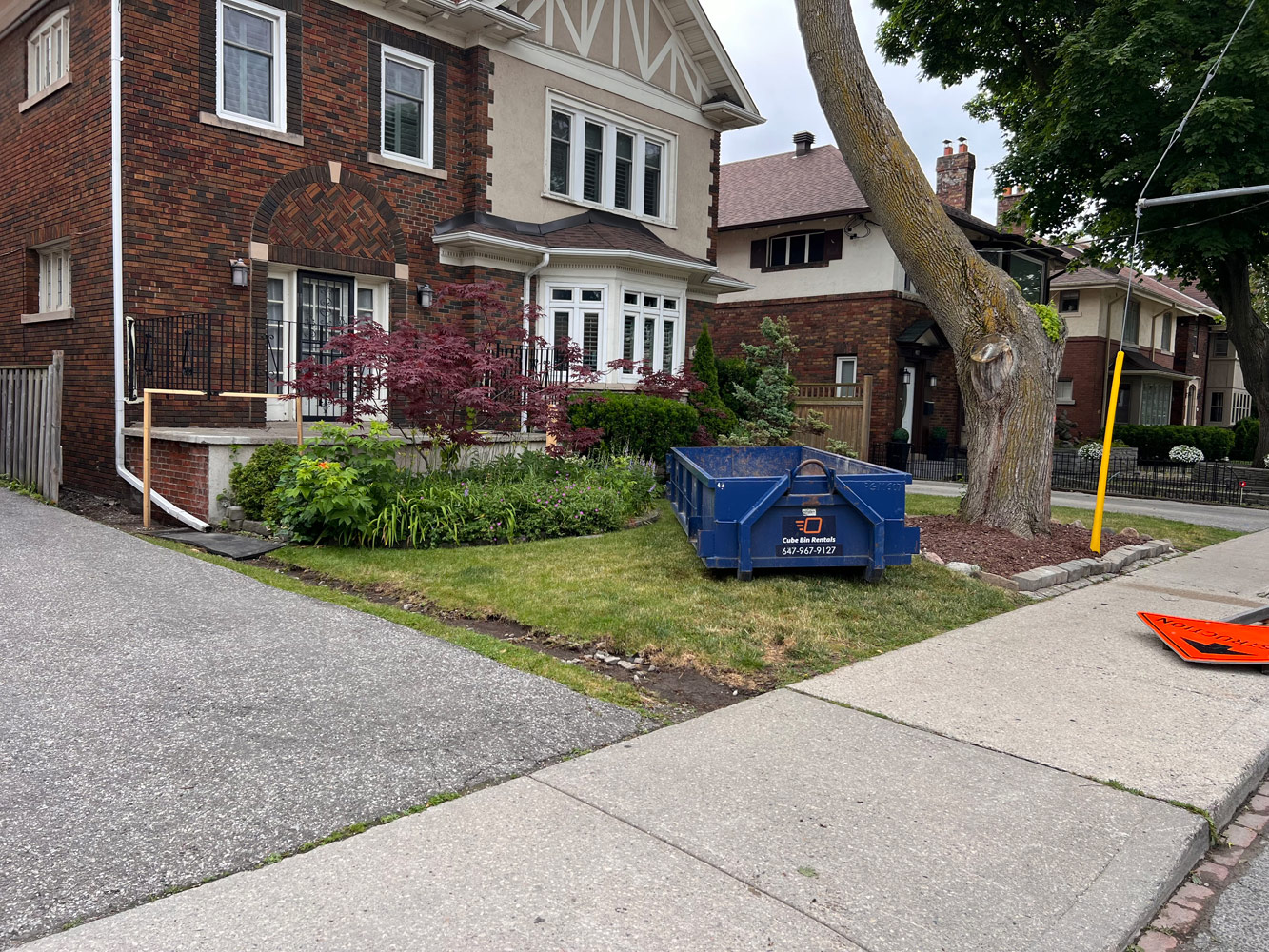
Having a container delivered directly to the property can provide a convenient place for approved debris while the project is underway. This can reduce the need for repeated transportation and help keep the work area more organised.
If you are unsure which container is appropriate, discussing your project type, expected debris volume, material type, rental duration, and placement requirements with Cube Bin Rentals can help you make an informed decision.
Conclusion
Finding a suitable waste disposal option starts with understanding what your project actually requires. A local landfill, transfer station, or drop-off facility may work well for a small amount of waste that can be transported in one trip.
For renovations, construction projects, demolition, large cleanouts, landscaping, and other jobs that generate debris over several days, renting a dumpster can provide a more convenient on-site solution.
When comparing your options, consider the amount and type of waste, transportation, labour, project duration, available space, disposal rules, and overall convenience.
Cube Bin Rentals can help you determine a practical dumpster solution based on your project’s needs, making it easier to keep waste contained and manage cleanup from start to finish. If you are ready to discuss your project, contact the team.
Frequently Asked Questions
1. How can I find a dumpster site near me?
You can search for local dumpster rental providers, landfills, transfer stations, recycling facilities, and waste drop-off depots. Always confirm that the location accepts your specific type of waste before making arrangements.
2. Is it better to rent a dumpster or drive to a landfill?
It depends on the amount of waste and the length of your project. A direct disposal trip may be suitable for a small load, while dumpster rental can be more convenient when waste is generated over several days or would require multiple trips.
3. What is the difference between a landfill and dumpster rental?
A landfill or disposal facility is a location where waste is taken for disposal or further processing. Dumpster rental provides a temporary container at your property, which is collected and transported by the rental provider after the rental period.
4. What can I put in a dumpster?
Accepted materials vary by provider. Commonly approved materials may include household junk, wood, drywall, flooring, roofing materials, furniture, fixtures, and other general renovation debris. Always check the provider’s rules before loading.
5. How do I choose the right dumpster size?
Consider the volume and type of debris your project will generate, along with the weight of the materials and available placement space. Heavy materials may require different planning than bulky but lightweight debris.