
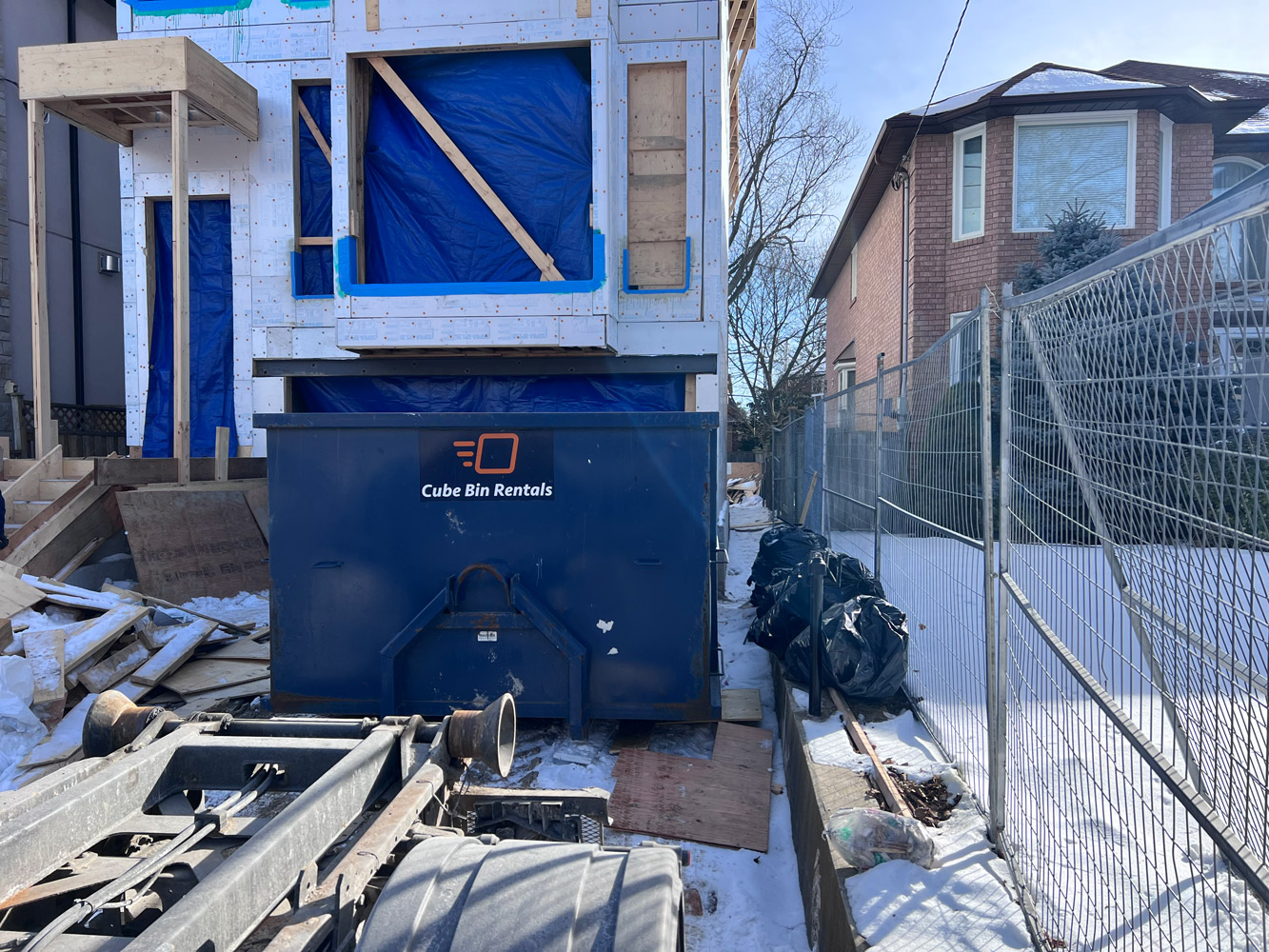
Choosing the right dumpster size is one of the most important steps when planning a renovation, home cleanup, move, or commercial project. A dumpster that is too small may fill up before the job is finished, while a container that is too large can mean paying for capacity you do not need.
For homeowners, contractors, and businesses looking for Dumpster rental in Scarborough, the best size depends on the type of project, the amount of waste, the materials being discarded, and how much space is available for the container.
This guide breaks down common project types and explains how to estimate the dumpster capacity you may need, helping you choose a suitable option from Cube Bin Rentals.
Why Dumpster Size Matters
Dumpster size affects both the convenience and cost of waste removal. Choosing the right capacity helps keep your project organized and reduces the risk of needing an additional container or an unexpected pickup.
The right dumpster can help you:
- Keep renovation and cleanup waste in one place
- Reduce trips to disposal facilities
- Maintain a safer, tidier work area
- Avoid filling a container beyond its capacity
- Plan waste removal more efficiently
- Match disposal capacity to your project budget
Before booking, consider the type of debris you expect, how quickly it will accumulate, and whether the material is especially heavy.
Understanding Dumpster Sizes
Dumpster sizes are commonly measured in cubic yards. A cubic yard represents a volume of space measuring three feet long, three feet wide, and three feet high.
The capacity you need depends on both the volume and weight of your waste. A container that can accommodate a large amount of lightweight household debris may not be suitable for the same volume of concrete, soil, or other dense materials.
Common dumpster capacity categories include:
- Small dumpsters for minor cleanups and limited debris
- Medium dumpsters for room renovations and larger household projects
- Large dumpsters for major renovations, construction, and extensive cleanouts
Available sizes vary by rental provider, so confirm the actual dimensions and capacity options before booking. You can also review available bin rental sizes to better understand how capacity can vary by project.
Dumpster Size for Small Home Cleanouts
Small cleanouts can produce more waste than expected, especially when you are clearing out a basement, garage, spare room, or storage area.
Typical materials may include unwanted furniture, boxes, broken household items, old decorations, and general clutter.
When a Small Dumpster May Be Enough
A smaller dumpster may work well for:
- Cleaning out a single room
- Removing old household items
- Decluttering a garage
- Clearing a small storage area
- Disposing of miscellaneous non-hazardous waste
If you are only removing a few bulky items, a smaller container may be sufficient. However, a garage or basement filled with years of accumulated belongings may require more capacity.
When to Choose a Larger Size
Consider a larger dumpster if the cleanout involves multiple rooms, large furniture, shelving, carpeting, or a significant amount of accumulated debris.
Estimating the amount of waste before booking can help prevent the container from filling too quickly.
Dumpster Size for Home Renovation Projects
Renovation projects often generate a mixture of materials, including drywall, flooring, cabinetry, trim, packaging, and other construction debris. The right dumpster size depends on the scope of the renovation and the materials being removed.
1. Bathroom Renovations
Bathroom renovations may produce old tiles, vanities, toilets, drywall, flooring, and fixtures.
A smaller or medium-sized dumpster may be suitable for a limited bathroom renovation, depending on the amount of demolition involved.
Heavy materials such as tile and ceramic fixtures can take up less space than bulky debris but add considerable weight. Check the container’s weight restrictions before disposing of them.
2. Kitchen Renovations
Kitchen renovations can generate cabinets, countertops, flooring, drywall, packaging, and old appliances.
A medium-sized dumpster may suit a partial kitchen renovation, while a complete demolition may require a larger container.
Countertops and cabinets can be bulky, so consider how much space they will occupy rather than estimating only by the number of items.
3. Flooring Replacement
Replacing flooring throughout a home can create a substantial amount of waste.
Carpet, underlay, laminate, hardwood, vinyl, and tile all have different weight and volume characteristics.
A small project involving one room may need limited capacity. Replacing flooring across several rooms can require a larger dumpster, especially if the old materials are being removed along with underlayment or subflooring.
Dumpster Size for Whole-Home Renovations
A whole-home renovation can generate a significant amount of debris, particularly when walls, flooring, cabinetry, fixtures, and other materials are removed.
A large dumpster may be appropriate for major renovation work, but the exact capacity depends on the size of the property and the extent of demolition.
Before arranging Dumpster rental Scarborough for a large renovation, prepare a list of the materials being removed.
Consider:
- Number of rooms being renovated
- Amount of drywall and flooring
- Cabinets and countertops
- Doors and trim
- Fixtures and bulky items
- Packaging from new materials
- Whether heavy construction debris is included
For extensive projects, discuss the expected waste volume with your rental provider. Multiple containers or scheduled exchanges may be more practical than relying on one dumpster for the entire job.
Dumpster Size for Moving and Downsizing
Moving is an ideal time to get rid of items you no longer need.
Whether you are downsizing, preparing a home for sale, or clearing out a property before moving, a dumpster can help manage unwanted belongings.
Common items may include damaged furniture, broken shelving, worn-out household goods, and general clutter.
- Small Moves
A small dumpster may be sufficient when you are removing a limited number of unwanted items from an apartment or small home.
- Large Household Moves
A larger container may be more suitable when clearing out a full house, especially if the project includes bulky furniture, carpeting, old fixtures, and accumulated storage items.
Remember that reusable items may be better suited for donation or resale, while electronics, appliances, and certain other materials may require separate disposal arrangements.
Dumpster Size for Yard and Landscaping Projects
Landscaping and outdoor cleanup projects can generate branches, leaves, shrubs, soil, sod, and other organic or heavy materials.
The right dumpster depends on the type of material and the size of the area being cleared.
1. Garden and Yard Cleanup
A smaller container may be enough for a seasonal cleanup involving leaves, small branches, and limited garden waste, depending on the rental provider’s accepted materials.
2. Major Landscaping Work
Larger landscaping projects may involve shrubs, fencing, old decking, sod, or substantial quantities of soil.
These materials can be heavy, so weight restrictions are particularly important.
Before booking, confirm whether the provider accepts yard waste, soil, sod, branches, or other landscaping debris. Some materials may need to be separated or handled through a different disposal method. For larger outdoor projects, you can also review this yard waste guide.
Dumpster Size for Roofing Projects
Roofing projects can generate shingles, underlayment, flashing, and other construction debris.
The amount of waste depends on the roof’s size, the number of existing layers, the materials being removed, and the roofing system.
Roofing debris can be surprisingly heavy. Even when it does not fill a dumpster completely, it may reach the container’s weight limit.
For roofing work, estimate both the volume and weight of the materials. A rental provider can help determine whether a particular container is appropriate for the project.
Dumpster Size for Construction and Contractor Projects
Contractors may need dumpsters for new construction, demolition, remodeling, or ongoing job-site cleanup.
Waste can include wood, drywall, packaging, insulation, flooring, metal, and other construction materials.
1. Small Contractor Jobs
A smaller container may work for limited repairs, small installations, or projects that produce only a modest amount of debris.
2. Medium Construction Projects
A medium-sized dumpster may be suitable for room additions, interior remodeling, and other projects with a steady flow of construction waste.
3. Large Construction Projects
Large renovations and demolition work may require a high-capacity dumpster or multiple containers.
Contractors should estimate the volume of waste generated per workday and consider how frequently the dumpster will need to be emptied.
For ongoing projects, scheduled pickups or exchanges can help prevent debris from accumulating on-site. You can also review this construction dumpster guide for additional planning considerations.
Dumpster Size for Commercial Cleanouts
Businesses may need dumpsters when renovating offices, clearing storage areas, removing outdated fixtures, or preparing commercial properties for new occupants.
Commercial waste can include desks, shelving, office furniture, packaging, and general non-hazardous debris.
A smaller container may be enough for a limited office cleanout. Larger commercial spaces or extensive renovations may require more capacity.
When planning a commercial cleanup, consider:
- Size of the premises
- Amount of furniture
- Number of fixtures being removed
- Volume of packaging
- Type of renovation debris
- Available space for the dumpster
- Required rental period
For commercial projects, coordinating delivery and pickup around business operations can help minimize disruption.
Dumpster Size for Concrete, Brick, and Other Heavy Materials
Heavy materials require special attention because weight limits may be reached before a dumpster is full.
Common examples include:
- Concrete
- Brick
- Stone
- Asphalt
- Soil
- Ceramic tile
- Roofing shingles
These materials are much denser than household clutter, wood, or packaging.
A large dumpster is not automatically the best choice for heavy debris. The container must be approved for the material and the expected load.
Ask your rental provider about weight restrictions, accepted materials, and whether a dedicated container is required. For concrete projects, this concrete disposal guide may also be useful.
How to Estimate the Dumpster Capacity You Need
If you are unsure which dumpster to choose, start by estimating the amount of debris your project will generate.
1. Make a List of Materials
Write down everything you plan to remove, including furniture, drywall, flooring, cabinets, branches, and other debris.
2. Estimate the Volume
Consider how much space the materials will occupy once loaded. Bulky items may take up considerable space even if they are relatively lightweight.
3. Consider the Material Weight
Concrete, soil, tile, and shingles can be heavy. Do not estimate capacity based on volume alone.
4. Account for Demolition Waste
Demolition often creates more debris than expected. Broken materials may occupy more space than the original installed items.
5. Ask About Weight Limits
Confirm the container’s maximum permitted load and whether different restrictions apply to certain materials.
6. Discuss the Project With Your Rental Provider
If the amount of waste is uncertain, share the project details with Cube Bin Rentals to help identify a suitable capacity.
Other Factors to Consider Before Booking a Dumpster
Dumpster size is important, but it is not the only consideration.
1. Available Placement Space
Measure the area where the dumpster will be placed. Consider the container’s dimensions and the space needed for delivery and pickup.
2. Access for Delivery
Make sure the delivery vehicle can safely reach the intended location. Check for narrow driveways, low branches, overhead wires, parked vehicles, and other obstacles.
3. Rental Period
Estimate how long the project will take. Renovations and cleanouts can run longer than expected, so confirm the rental period and any extension arrangements.
4. Accepted Materials
Not all dumpsters accept every type of waste. Confirm the rules for appliances, electronics, tires, hazardous materials, yard waste, and heavy debris.
5. Weight Restrictions
Ask about included weight allowances and potential overage charges. This is particularly important for construction and roofing projects.
6. Placement Requirements
If you plan to place the dumpster on a street or other public property, check whether a permit or other approval is required. Requirements can depend on the exact location and placement.
Choosing the Right Dumpster Rental in Scarborough
The right dumpster rental should match your project’s waste volume, material type, schedule, and placement requirements.
For homeowners, that may mean choosing a compact container for a garage cleanout or a larger option for a complete renovation. Contractors may need a container that can accommodate ongoing construction debris, while businesses may need a solution that fits a scheduled commercial cleanup.
When comparing dumpster sizes Scarborough options, ask about actual capacity, container dimensions, weight restrictions, accepted materials, rental periods, and pickup arrangements.
These details will help you choose a container that works for the job rather than simply selecting the largest or cheapest option.
How Cube Bin Rentals Can Help
Cube Bin Rentals can help you evaluate your waste removal needs and choose a dumpster suitable for your project.
Whether you are clearing out a home, renovating a kitchen, completing a roofing job, handling construction debris, or organizing a commercial cleanout, it is important to match the container to the materials and amount of waste involved.
Before booking, share the type of project, the materials you expect to discard, your estimated timeline, and the available placement space. This information can help you determine an appropriate dumpster size and plan a smoother cleanup.
Final Thoughts
Choosing the right dumpster size in Scarborough depends on the project, the type of waste, the amount of debris, and any weight restrictions.
Small cleanouts may need only a compact container, while full-home renovations, roofing projects, and commercial construction can require larger capacity or multiple pickups. Heavy materials such as concrete, soil, and shingles need particular attention because they can reach weight limits quickly.
Before arranging Dumpster rental Scarborough, estimate your waste volume, identify the materials you need to dispose of, measure the placement area, and confirm the rental provider’s requirements.
With the right planning and a suitable dumpster from Cube Bin Rentals, you can keep your project organized, manage waste efficiently, and avoid unnecessary delays. If you are ready to discuss your project and rental requirements, contact us to get started.
Frequently Asked Questions
1. What size dumpster do I need for a home renovation in Scarborough?
The right size depends on the renovation’s scope and the materials being removed. A small bathroom update may need less capacity than a full kitchen renovation or whole-home remodel. Estimate the debris volume and check weight restrictions before booking.
2. How do I choose between different dumpster sizes in Scarborough?
Consider the type of project, amount of waste, material weight, available placement space, and rental period. Ask the provider for the container’s dimensions and capacity so you can compare options accurately.
3. Can I put concrete or soil in a rental dumpster?
Some providers accept concrete or soil, but restrictions may apply because these materials are heavy. Confirm that the container is suitable for the material and ask about weight limits before loading it.
4. What dumpster size is best for a garage or basement cleanout?
A smaller dumpster may work for a limited cleanout, while a larger container may be needed for a space filled with bulky furniture, storage items, and years of accumulated belongings. The amount of waste matters more than the room’s size alone.
5. How can I avoid paying for a dumpster that is too small?
Estimate the amount of debris before booking, account for bulky items and demolition waste, and ask about weight limits. If you are uncertain, explain your project to the rental provider so you can select an appropriate capacity.