
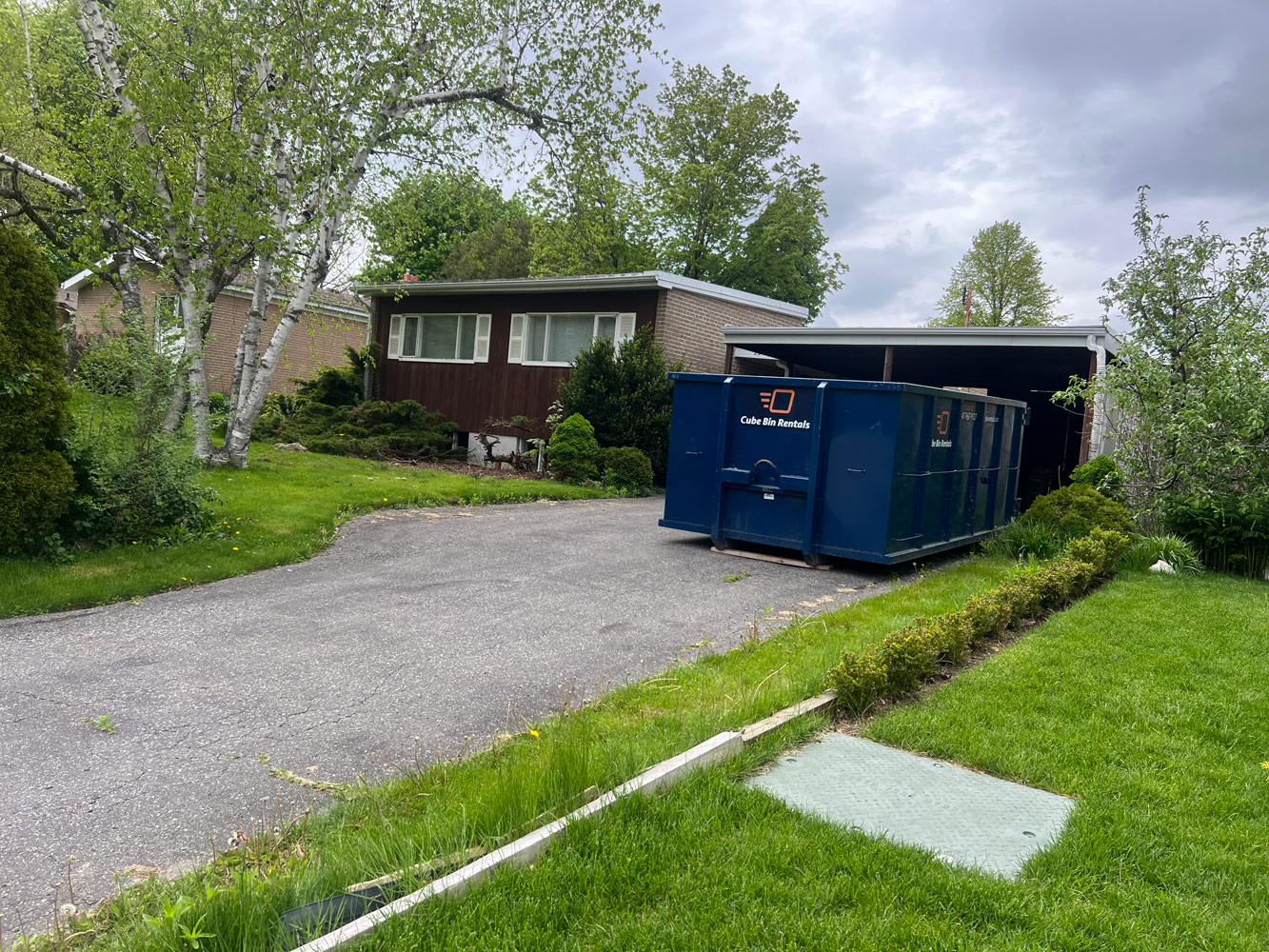
When you rent a dumpster for a home cleanup, renovation, move, or landscaping project, it is easy to assume that anything you no longer want can simply go into the container. In reality, waste disposal rules depend on the type of material, the dumpster provider, and local disposal requirements.
Knowing what can and cannot go into your dumpster before your project begins can help you avoid rejected materials, delays, additional charges, and unsafe disposal practices. It can also make your cleanup more organized because you will know which items belong in the dumpster and which need another disposal method.
If you are arranging dumpster rental Scarborough services, understanding acceptable and prohibited materials is an important part of planning your project.
Why Dumpster Waste Rules Matter
A dumpster is designed to collect specific types of waste, but it is not a universal container for every unwanted product in your home.
Some materials are restricted because they can create safety hazards during collection, transportation, processing, or disposal. Other items require specialized recycling or treatment because they contain chemicals, batteries, refrigerants, or other components that should not enter a regular waste stream.
Disposal facilities also have their own requirements. A dumpster company must follow those requirements when transporting and processing the waste collected from customers.
That is why it is important to ask about questionable materials before placing them in your container.
What Can Usually Go in a Residential Dumpster?
The exact list varies by provider, but many common household and renovation materials can generally be placed in a standard dumpster when properly prepared.
1. Household Clutter
General household clutter is commonly suitable for dumpster disposal. This can include unwanted items collected during a home cleanout, basement cleanup, attic decluttering, or move.
Examples can include:
- Old household items
- Broken furniture
- General household junk
- Non-hazardous miscellaneous waste
- Unwanted decorations
- Empty boxes and packaging
If an item contains chemicals, fuel, batteries, refrigerants, or other potentially restricted components, check with the provider before placing it in the container.
2. Furniture
Old furniture is a common reason homeowners rent dumpsters.
Items such as tables, chairs, shelves, cabinets, desks, and other household furnishings may be accepted depending on the provider’s guidelines.
Large furniture should be broken down where practical. Removing detachable parts and dismantling bulky pieces can help you make better use of the available dumpster space. For larger renovation projects, reviewing a renovation guide can also help you plan the waste involved.
Do not overfill the container simply because a piece of furniture is difficult to fit. Materials should remain within the provider’s loading requirements.
3. Cardboard and Packaging
Cardboard boxes and packaging materials are often suitable for dumpster disposal, especially during moving, home renovations, deliveries, or large cleanouts.
Flattening boxes before loading them can reduce wasted space. If you have a large amount of clean cardboard, recycling may be another option depending on local programs.
4. Renovation Debris
Home improvement projects can produce a significant amount of waste. Depending on the dumpster and provider, common renovation materials may include drywall, flooring, cabinets, trim, wood, and other non-hazardous construction debris.
Before starting a renovation, make a list of the materials you expect to remove and confirm that they are accepted.
This is particularly important if your project involves older building materials or materials that may require specialized handling.
5. Yard Waste
Some dumpster services accept certain types of yard and landscaping debris.
Leaves, branches, grass, brush, and similar organic materials may be accepted under specific conditions. However, yard waste rules can vary, so confirm whether these materials can be placed in your chosen container. A yard waste guide can provide additional guidance when landscaping materials are part of the cleanup.
Do not assume that all landscaping materials belong in the same dumpster. Soil, rocks, concrete, and other heavy materials may have different requirements.
6. Wood and Lumber
Clean wood and ordinary lumber from home improvement projects are commonly accepted by many dumpster providers.
This can include boards, broken wooden furniture, cabinets, and similar materials.
If the wood has been treated, painted, chemically contaminated, or combined with another restricted material, check the disposal requirements before loading it.
What Materials May Need Special Approval?
Some materials are not necessarily prohibited in every situation but may require advance confirmation.
1. Appliances
Large appliances can take up substantial space and may contain components that require special handling.
Items such as washing machines, dryers, ovens, and other appliances may be accepted by some providers. Refrigerators, freezers, and air conditioners can be different because they may contain refrigerants.
Always identify appliances when booking your dumpster rather than assuming they can be added later.
2. Mattresses
Mattresses can have special disposal requirements depending on local rules and the provider’s disposal arrangements.
If you are clearing out bedrooms or replacing old mattresses, ask whether they can be included in your dumpster rental before placing them inside.
3. Electronics
Televisions, computers, monitors, printers, and other electronics may require specialized recycling.
Some dumpster companies may accept certain electronic items, while others may not. Electronics can contain components that should be processed through appropriate recycling channels.
If you have a large amount of electronic waste, ask about the correct disposal method before your dumpster arrives.
What Should Not Go Into a Standard Dumpster?
Certain categories of waste are commonly restricted because they require specialized handling.
1. Hazardous Chemicals
Household chemicals can create serious problems when mixed with ordinary waste.
Examples can include certain solvents, pesticides, strong chemical cleaners, and other hazardous products.
Do not place questionable chemicals into a dumpster simply because the container is available. Check local disposal programs or specialized waste services for the correct handling method.
2. Paint and Solvents
Paint products can vary significantly in how they should be disposed of.
Certain paints, solvents, thinners, and related products may be restricted from ordinary dumpster disposal.
If you are cleaning out a garage, workshop, or storage area, separate these products from your general household waste and determine the appropriate disposal option.
3. Fuels and Propane Cylinders
Gasoline, diesel, kerosene, propane cylinders, and similar flammable materials generally require special handling.
They can create fire or explosion risks during collection, transportation, and processing.
Never assume that an empty-looking fuel container is automatically safe for dumpster disposal. Confirm the appropriate disposal method before handling it.
4. Batteries
Batteries should be treated carefully because some types can create fire hazards or environmental concerns when improperly discarded.
This includes certain rechargeable batteries, automotive batteries, and other battery types.
Keep batteries separate from your general dumpster waste and use an appropriate battery recycling or disposal program where required.
5. Medical and Biohazardous Waste
Medical waste should not be mixed with ordinary household junk.
Needles, sharps, contaminated medical materials, and other biohazardous waste may require specialized collection and disposal.
If you are cleaning out a property containing medical materials, determine the correct disposal method before renting a dumpster.
6. Asbestos-Containing Materials
Asbestos requires specialized handling and should not be treated like ordinary renovation debris.
If a building contains older materials that may contain asbestos, do not remove or place them in a dumpster without determining the appropriate requirements.
Professional assessment and specialized removal may be necessary depending on the material and circumstances.
7. Tires
Tires can have separate disposal and recycling requirements. Some dumpster providers may not accept them as part of standard residential waste.
If you are replacing multiple tires or cleaning out a garage containing old tires, ask the provider about their current policy before putting them into the container.
What About Concrete, Brick, and Soil?
Heavy materials deserve special attention because their weight can become a more important consideration than the physical volume they occupy.
Concrete, bricks, asphalt, stone, soil, and similar materials may be subject to specific restrictions or weight limits. For projects involving large amounts of concrete, a concrete disposal guide can help you understand why heavy materials need additional consideration.
For example, a relatively small container filled with dense concrete can become extremely heavy. This can create transportation and handling issues.
If your project involves a large amount of heavy debris, tell the dumpster provider exactly what materials you have before ordering. You may need a container specifically suited to heavy materials.
Can You Put Household Appliances in a Dumpster?
The answer depends on the appliance.
Some common appliances may be accepted, while items containing refrigerants can require special procedures.
Refrigerators, freezers, and air conditioning units are particularly important to identify because of their refrigerant-containing components.
When arranging a dumpster rental, provide the company with a list of large appliances you want to dispose of. This gives the provider an opportunity to confirm what can be accepted and whether additional arrangements are required.
Can You Put Construction Waste in a Dumpster?
Many dumpsters are used for renovation and construction debris, but the accepted materials depend on the type of container and disposal facility.
Common project waste can include:
- Drywall
- Wood
- Flooring
- Cabinets
- Trim
- Roofing materials
- Non-hazardous renovation debris
Before beginning demolition, identify any materials that could contain hazardous substances or require specialized disposal.
Do not assume that an older building material is safe to place in a standard dumpster simply because it came from a renovation.
How to Avoid a Rejected Dumpster Load
The easiest way to avoid disposal problems is to plan your waste before the dumpster arrives.
Create a list of everything you expect to remove. Divide the list into ordinary household waste, recyclable materials, heavy debris, and potentially restricted items.
Then contact your dumpster provider about anything you are unsure about.
It is much easier to find an alternative disposal method before the project begins than after a restricted item has already been placed inside the container.
Keep prohibited materials separate throughout the cleanup so they are not accidentally mixed with acceptable waste.
Do Not Overload the Dumpster
Knowing what you can put into a dumpster is only part of proper loading.
You also need to follow the provider’s rules regarding fill level, weight, and safe loading. Following proper loading practices can help reduce avoidable problems during your rental.
Do not allow debris to extend beyond the permitted fill line or create an unstable load. Overfilled containers can create hazards during transportation and may result in additional requirements or charges.
Break down bulky materials where possible and distribute heavier items appropriately.
A well-loaded dumpster is easier to transport and can help you use the available space more efficiently.
How to Organize Your Waste Before the Dumpster Arrives
Good preparation can make the entire cleanup easier.
Start by identifying everything that needs to leave the property. Separate items that can be donated or recycled from materials that need disposal.
Then identify anything that may be restricted. Keep chemicals, batteries, electronics, fuels, and other questionable materials in a separate area until you have confirmed how they should be handled.
For large furniture and other bulky items, dismantle them where practical.
Finally, make sure the dumpster placement area is accessible and ready before delivery. Choosing the right location can also help protect your property and keep the delivery process organized.
Choosing a Dumpster for Your Scarborough Project
The right dumpster depends on more than the amount of waste you have.
Consider the type of materials, the project’s duration, the amount of bulky debris, and whether you will be disposing of heavy materials.
A home decluttering project may produce very different waste from a kitchen renovation or landscaping job.
When comparing dumpster rental Scarborough options, explain your project clearly to the provider. Tell them what you are removing, approximately how much waste you expect, and whether you have any unusual materials.
This information can help you select a suitable container and avoid problems during the rental.
Why Choose Cube Bin Rentals?
Cube Bin Rentals provides dumpster rental solutions for homeowners, contractors, and property owners working on cleanup, renovation, construction, and other projects in Scarborough.
The company can help customers understand their container options and determine what types of materials are suitable for their project.
Whether you are clearing out a home, renovating a room, preparing a property for sale, or managing a larger cleanup, knowing your waste requirements before ordering can make the process much smoother.
Final Thoughts
A dumpster is a convenient way to manage waste during a cleanup or improvement project, but it should not be treated as a container for every type of unwanted material.
Ordinary household junk, furniture, cardboard, wood, and many types of non-hazardous renovation debris may be suitable, while chemicals, fuels, batteries, medical waste, asbestos-containing materials, and other restricted items may require specialized disposal.
Before booking a dumpster, make a list of your waste and confirm any questionable materials with the provider. Choosing the right container, loading it correctly, and keeping restricted materials separate can help you avoid rejected loads and unexpected disposal issues.
With proper planning, dumpster rental Scarborough can be a straightforward and convenient way to keep your home or project site clear and organized. If you are ready to arrange a dumpster for your project, contact us to discuss your waste disposal needs.
Frequently Asked Questions
1. What can I put in a residential dumpster?
Commonly accepted materials may include household junk, furniture, cardboard, wood, flooring, drywall, cabinets, and other non-hazardous renovation debris. Acceptance varies by provider, so confirm your specific materials before loading the container.
2. What items are usually prohibited in a dumpster?
Commonly restricted materials can include hazardous chemicals, fuels, propane cylinders, certain batteries, medical waste, asbestos-containing materials, and other hazardous or specialized waste.
3. Can I put appliances in a dumpster?
Some appliances may be accepted, but refrigerators, freezers, air conditioners, and other equipment containing refrigerants may require special handling. Confirm appliance acceptance with the dumpster provider before disposal.
4. Can concrete and bricks go in a dumpster?
Concrete, bricks, soil, asphalt, and other heavy materials may have specific restrictions or weight requirements. Tell the provider about heavy debris before ordering so you can select an appropriate disposal solution.
5. How can I avoid problems with my dumpster rental?
Identify your waste before the dumpster arrives, confirm restricted materials with the provider, separate items requiring special disposal, choose the appropriate container size, and follow the provider’s loading and weight requirements.