
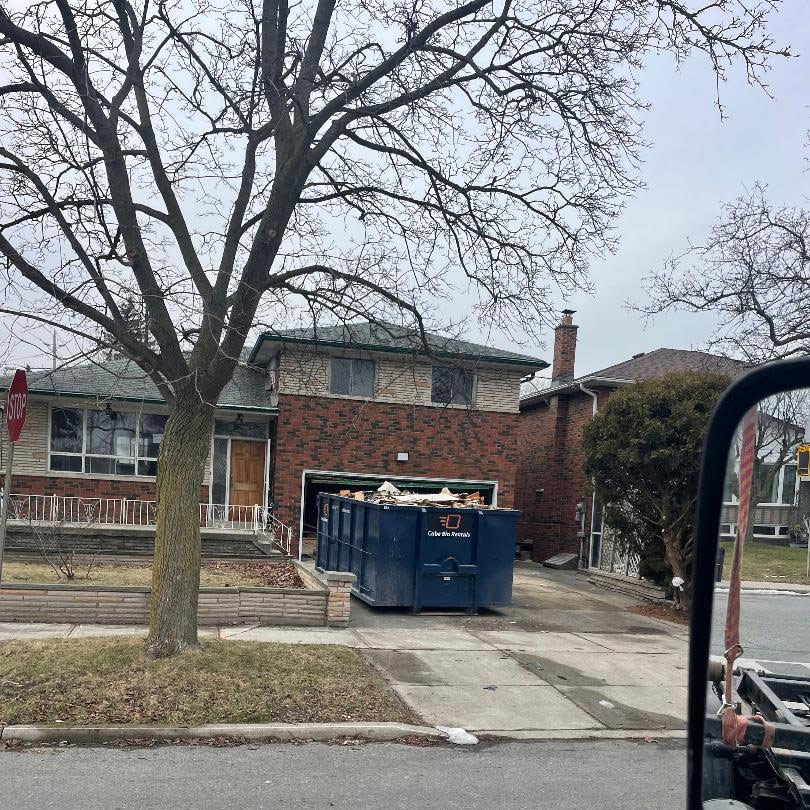
Waste disposal Toronto rules can affect your bin rental more than size or price. If you load the wrong materials, your bin may be rejected, delayed, or charged extra fees. Therefore, it pays to understand the basics before your project starts.
Toronto’s waste management bylaws support public safety, better recycling, and lower landfill use. These rules apply to homeowners, contractors, businesses, and property managers. When you know what belongs in a bin, your cleanup stays simple and compliant.
This guide covers the key waste disposal regulations in Toronto so you can rent a bin with confidence.
Why waste disposal rules matter in Toronto
Waste disposal regulations are designed to ensure that garbage, construction debris, recyclable materials, and hazardous substances are handled responsibly. Without proper regulations, waste can create environmental problems, safety risks, and public health concerns.
Toronto has invested heavily in waste diversion programs to reduce the amount of material sent to landfills. The city encourages recycling and responsible disposal practices to help conserve resources and support sustainability goals.
For property owners and businesses, understanding these regulations is important because improper disposal can result in additional charges, rejected loads, or delays in waste removal. Following the rules helps keep projects on schedule while protecting the environment and the community.
Understanding waste disposal Toronto regulations for bin rentals
These regulations apply to anyone generating large amounts of waste. That includes home renovations, estate cleanouts, landscaping work, and commercial disposal. When you rent a bin, you are responsible for what goes inside.
Disposal facilities inspect loads and may refuse bins that contain restricted materials. Some items need special handling, while others must be recycled through approved programs. In short, planning your waste stream saves time and money.
Who should pay extra attention to local disposal rules?
Rules matter for everyone, but they are especially important for:
- Contractors managing construction waste and demolition debris
- Property managers handling tenant move-outs and bulk junk
- Businesses disposing of fixtures, shelving, and packaging
- Homeowners doing major decluttering or remodeling
What you can place in a rental bin
Most non-hazardous waste from residential and commercial projects is accepted. This makes bin rentals ideal for large cleanups that exceed standard curbside collection.
Common accepted materials
- Household junk: furniture, clothing, toys, and general clutter
- Renovation debris: drywall, lumber, flooring, cabinets, and trim
- Yard waste: branches, leaves, shrubs, and garden debris
- Commercial waste: non-hazardous packaging, office furniture, and fixtures
Planning your waste removal in advance can help you avoid unnecessary expenses and disposal issues. Following practical tips for affordable disposal bin rentals can also make your project more efficient while keeping costs under control.
Still, acceptance can vary by facility and load type. When in doubt, confirm with your bin rental provider before you toss it.
Prohibited items in Toronto dumpster rentals
Some materials are restricted because they create safety risks or environmental harm. If these items are found in your bin, you may face extra charges or a refused pickup.
Items that usually cannot go in a standard bin
- Hazardous waste: paint, solvents, pesticides, chemicals, fuel products
- Automotive fluids: motor oil, gasoline, antifreeze, transmission fluid
- Batteries: car batteries and certain rechargeable batteries
- Electronic waste (e-waste): TVs, computers, monitors, printers
- Appliances with refrigerants: fridges, freezers, A/C units
- Asbestos-containing materials: require specialized handling
If you uncover any questionable materials mid-project, pause and ask. It is cheaper to sort items properly than to pay contamination fees later.
Toronto recycling rules you should know
Recycling is a major part of Toronto’s waste diversion plan. Additionally, separating recyclables can reduce disposal costs and improve load acceptance.
Many materials can be diverted through recycling programs, such as cardboard, paper, metal, glass, and some plastics. Construction and renovation projects may also recycle:
- Wood
- Concrete and brick
- Scrap metal
Whenever possible, separate recyclable materials before loading your bin. This supports sustainability goals and keeps your project running smoothly.
Hazardous waste disposal in Toronto
Many everyday products count as household hazardous waste. Items like batteries, aerosol cans, cleaners, solvents, and leftover paint should not go into general bins.
Improper disposal can contaminate soil and groundwater. It can also put waste workers at risk. Toronto offers special collection options and approved drop-off locations for hazardous materials, so use those services when needed.
Before you dispose of anything uncertain, verify whether special handling applies. That one step can prevent costly problems.
Bin placement and permit requirements
Placement matters just as much as what you throw away. If you place the bin on private property, such as a driveway, you usually do not need a permit. However, you should keep access points clear and maintain safe visibility.
If the bin must go on a street, sidewalk, or other public space, permits may be required. Rules vary by location, duration, and impact on traffic or pedestrians. Therefore, plan placement early to avoid delays.
A trusted bin rental company can help you choose a safe location and understand local permit needs.
How to stay compliant when renting a bin
Compliance is simple when you follow a clear checklist. Additionally, good planning helps you avoid last-minute surprises.
- Describe your project to the rental provider and list the materials you expect.
- Confirm accepted and prohibited items before loading begins.
- Separate recyclables and keep restricted items out of the bin.
- Ask about permits if the bin will sit on a public road or sidewalk.
- When unsure, ask for guidance instead of guessing.
Working with an experienced team makes waste removal faster, safer, and more predictable.
Conclusion: Plan ahead for waste disposal Toronto compliance
Understanding waste disposal Toronto rules before renting a bin helps you avoid delays, rejected loads, and extra fees. It also helps you recycle more and protect your community. With the right plan, your renovation, cleanup, landscaping, or construction project stays on track.
If you need dependable bin rentals and clear guidance, Cube Bin Rentals can help you choose the right container and follow local rules. Book your bin to get transparent pricing and reliable pickup for your next project.
FAQs
1. What items are prohibited in a rental bin in Toronto?
Hazardous materials such as paint, chemicals, solvents, batteries, pesticides, fuel products, and asbestos-containing materials are generally prohibited from standard rental bins.
2. Can I put renovation debris in a Toronto rental bin?
Yes. Most renovation materials, including drywall, wood, flooring, cabinets, and non-hazardous construction debris, can typically be disposed of in a rental bin.
3. Do I need a permit to place a bin on the street in Toronto?
In many cases, a permit may be required if the bin is placed on a public road or sidewalk. Requirements depend on the location and local municipal regulations.
4. Why is it important to separate recyclable materials?
Separating recyclable materials helps reduce landfill waste, supports Toronto’s recycling programs, improves environmental sustainability, and may lower disposal costs.
5. What happens if prohibited items are found in my rental bin?
The disposal facility may reject the load, charge additional handling fees, or require the prohibited materials to be removed before collection can proceed.