
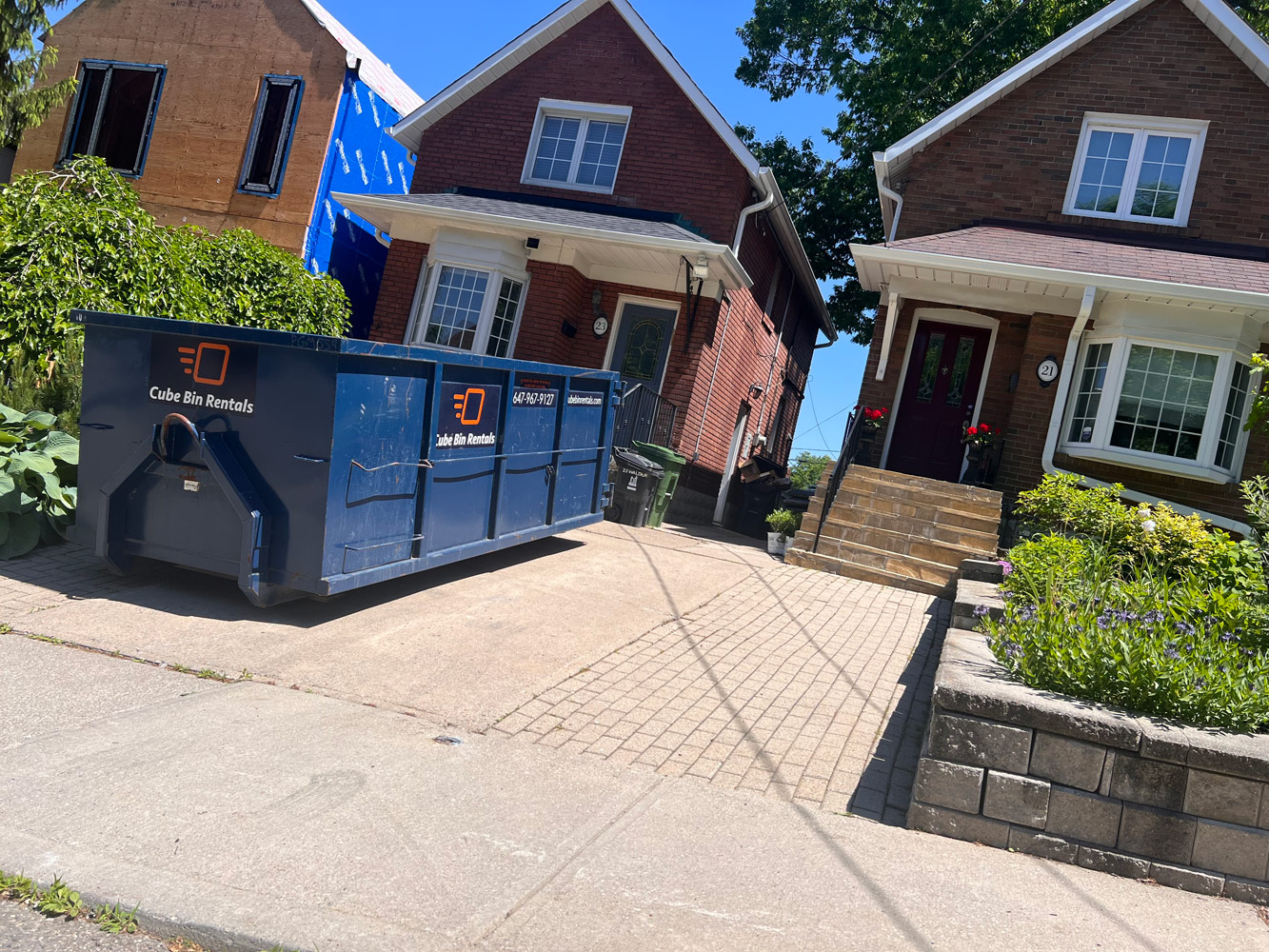
Choosing the right dumpster rental Toronto size is one of the most common challenges for homeowners and contractors. Many people either rent a bin that is too small and need a second pickup, or they rent a bin that is too large and pay for unused space.
With expert support from Cube Bin Rentals, you can simplify the process and avoid costly mistakes. You will learn how to choose the right bin size based on your project, waste type, and space constraints. By the end, you will feel confident booking the right bin the first time.
Why Bin Size Matters More Than You Think
Before jumping into the bin sizes Toronto offers, it helps to understand why size selection is important.
A bin that is too small leads to overflow issues and extra charges. On the other hand, a bin that is too large takes up unnecessary space and increases costs.
In addition, certain materials require proper loading and space planning. For example, heavy debris like concrete fills the weight limits faster than household junk.
Because of this, choosing the right size is not just about volume. It is also about efficiency, safety, and cost control.
Understanding Standard Bin Sizes in Toronto
Most companies offering dumpster rental Toronto services provide a range of sizes. Here is a simplified breakdown.
10 Yard Bin Rental
This is one of the most popular options for small projects.
It works well for:
- Garage cleanouts
- Small renovation jobs
- Yard waste removal
A 10-yard bin rental is compact and fits easily in most driveways. It is ideal if space is limited.
20 Yard Dumpster
This is the go-to choice for medium-sized projects.
It is commonly used for:
- Basement renovations
- Roofing jobs
- Larger home cleanouts
A 20-yard dumpster provides a balance between capacity and space efficiency.
30 to 40 Yard Bins
These are used for large-scale projects.
Typical uses include:
- Construction projects
- Full home renovations
- Commercial cleanups
These bins require more space and careful placement planning.
How to Choose the Right Bin Size for Your Project
Instead of guessing, follow this simple approach.
Step 1: Identify the Type of Waste
Different materials take up space differently.
For example:
- Furniture is bulky but light
- Concrete is dense and heavy
Knowing your waste type helps you choose the correct size and weight allowance.
Step 2: Estimate Volume
Think about how much space your waste will take.
A good rule is:
- Small room cleanup = 10 yard
- Multiple rooms or renovation = 20 yards
- Full house or construction = 30+ yards
When unsure, it is safer to go slightly larger.
Step 3: Consider Space Availability
Check where the bin will be placed.
Driveways, narrow streets, and tight areas may limit your options. Smaller bins are easier to position.
Step 4: Plan for Loading Efficiency
Proper loading maximizes your bin usage.
Break down large items and distribute weight evenly. This helps avoid overfilling and extra charges.
Common Mistakes People Make When Renting a Bin
Even experienced contractors make these mistakes.
1. Choosing Based on Price Alone
A cheaper small bin can cost more if you need a second rental.
2. Ignoring Weight Limits
Heavy materials can exceed limits quickly. Always ask about weight restrictions.
3. Underestimating Waste Volume
Projects often generate more waste than expected.
4. Poor Placement Planning
Bins need easy access for delivery and pickup.
Cost Factors in Dumpster Rental Toronto
Pricing depends on several factors.
- Bin Size
Larger bins cost more but offer better value per volume.
- Rental Duration
Longer rentals may increase cost.
- Type of Waste
Certain materials require special disposal.
- Location
Accessibility and distance affect delivery fees.
When to Go Bigger Instead of Smaller
Sometimes upgrading your bin size is the smarter choice.
Choose a larger bin if:
- You are doing demolition work
- You expect unexpected waste
- You want to avoid multiple pickups
This approach saves time and reduces stress.
Residential vs Construction Bin Rental Needs
Residential Dumpster Rental
Best for homeowners handling:
- Decluttering
- Moving cleanup
- Small renovations
These projects usually fit within 10 to 20 yard bins.
Construction Bin Rental
Designed for contractors dealing with:
- Demolition debris
- Heavy materials
- Continuous waste generation
Larger bins or multiple pickups are often required.
Pro Tips for Maximizing Your Bin Rental
To get the most value from your dumpster rental Toronto, follow these tips.
- Break down bulky items
- Load evenly from bottom to top
- Keep prohibited items out
- Schedule pickup in advance
These simple steps improve efficiency and reduce costs.
Final Thoughts
Choosing the right bin size does not need to be complicated. By understanding your project, waste type, and space limitations, you can confidently select the right option.
A well-planned dumpster rental Toronto not only saves money but also keeps your project running smoothly. Whether you are a homeowner or contractor, taking a few extra minutes to choose the correct size can make a big difference.
If you are still unsure, it is always best to consult experts who can guide you based on your specific needs. Cube Bin Rentals offers practical advice and reliable service to help you get started with confidence.
Get started today by contacting Cube Bin Rentals for a quick quote and expert guidance on choosing the right bin for your project.
FAQ
1. What is the most common dumpster rental Toronto size?
The 20-yard dumpster is the most popular choice because it suits both residential and renovation projects. It offers a good balance between capacity and cost, making it ideal for medium-sized jobs.
2. How do I know if a 10-yard bin rental is enough?
If your project involves a single room or a small cleanup, a 10-yard bin is usually sufficient. It is also a great option when you have limited driveway space or lighter waste materials.
3. Can I mix different types of waste in one bin?
Yes, but some materials may have restrictions. Always confirm with your provider. Separating certain items can also help avoid additional disposal fees.
4. How long can I keep the bin?
Rental periods vary, but most companies offer flexible durations based on your needs. It is best to schedule your project timeline in advance to avoid extra daily charges.
5. What happens if I overfill the bin?
Overfilled bins may result in extra charges or require unloading before pickup. Keeping the waste level within the bin edge ensures safe transport and avoids delays.