
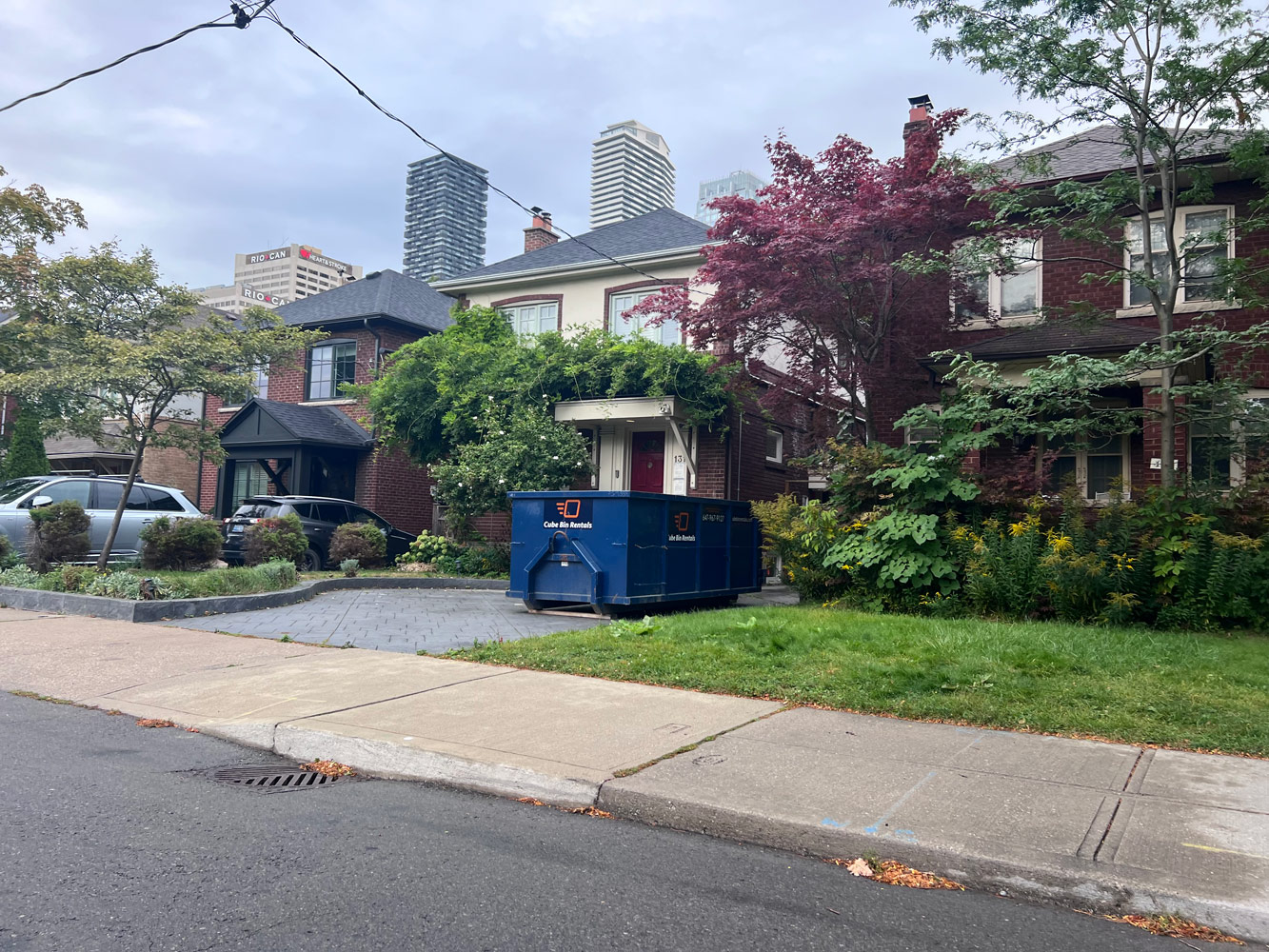
Maintaining a clean and healthy yard often results in piles of leaves, grass clippings, branches, shrubs, and other organic debris. Whether you are completing seasonal landscaping, trimming trees, or renovating your outdoor space, knowing where to dispose of yard waste is essential. Many homeowners search for a dump yard near me when they need a convenient and environmentally responsible way to manage large amounts of yard debris.
At Cube Bin Rentals, we help homeowners and contractors simplify outdoor cleanups with practical waste disposal solutions. Understanding your disposal options can save time, reduce environmental impact, and make every landscaping project more efficient.
What a dump yard is and how it works
A dump yard is a local drop-off facility for approved yard waste and organics. Many sites process this material into compost, mulch, or other reusable products. Therefore, using a yard waste facility can be more eco-friendly than tossing debris into the trash.
People often visit a dump yard after storm cleanup, seasonal maintenance, or landscape renovations. However, rules vary by location, so it is smart to confirm what is accepted before you load up.
Common names you may see
- Yard waste depot
- Green waste drop-off
- Organics recycling facility
- Compost facility
What you can take to a dump yard
Most dump yard locations accept organic yard debris from routine property care. In general, accepted items include:
- Leaves and grass clippings
- Small branches, brush, and hedge trimmings
- Weeds, flowers, shrubs, and garden plants
- Tree limbs (often with size limits)
- Untreated wood, wood chips, and natural mulch (where permitted)
Keeping yard waste separate from household garbage improves recycling results. It also helps the facility process materials faster.
Materials that do not belong in a dump yard
Although a dump yard accepts many organics, some materials are typically prohibited. Avoid mixing these items with green waste:
- Household garbage and food waste
- Construction debris, drywall, and insulation
- Treated or painted lumber
- Concrete, bricks, and rubble
- Plastic bags and packaging
- Chemicals, hazardous waste, and electronics
Additionally, soil, rocks, and large stumps may require separate drop-off. Check local rules to avoid delays and reloading.
Yard waste collection and drop-off options
Many cities offer seasonal curbside pickup for yard waste. Schedules often change in spring and fall, when cleanup demand is highest. If your debris matches local guidelines, this can be an easy choice.
However, curbside programs may not handle large volumes. In that case, a dump yard drop-off or a bin rental can be faster and more practical.
Quick comparison
- Curbside pickup: best for small, routine yard debris
- Drop-off site: good for medium loads and weekend cleanups
- Bin rental: ideal for large projects and ongoing work
Composting as a smart alternative
You may not need a dump yard for every cleanup. Composting works well for leaves, grass clippings, and small plant material. As a result, you reduce disposal trips and create nutrient-rich soil for your garden.
However, heavy brush, large limbs, and major cleanouts often exceed what a home compost system can handle. For those jobs, drop-off or bin service is usually better.
Seasonal yard cleanup tips that save time
Spring and fall cleanup can fill trucks quickly. Planning ahead reduces the number of trips to a dump yard and keeps your work moving.
- Bag or bundle materials the way your local program requires
- Sort piles by type: leaves, branches, and mixed greens
- Cut long branches down to meet size limits
- Keep plastics and trash out of organics piles
Additionally, clearing leaves before winter can protect lawns. Pruning storm-damaged limbs also improves safety and tree health.
When a yard waste bin is the better choice
For bigger jobs, multiple trips to a dump yard can become time-consuming and costly. Landscaping renovations, tree removal, and property cleanouts often create more debris than a standard vehicle can haul safely.
A yard waste bin keeps everything contained in one spot while you work. Once you finish, the bin is picked up, which eliminates repeated travel to a disposal facility.
Projects that often need a bin
- Large hedge and shrub removal
- Storm debris cleanup
- Seasonal property maintenance for big lots
- Landscaping renovations with heavy green waste
Benefits of renting a yard waste bin
Renting a bin can be easier than hauling loads to a dump yard. It saves time, keeps the site organized, and reduces mess during the project.
At Cube Bin Rentals, we provide dependable Yard Waste Bin Rental options for residential and commercial work. Therefore, you can focus on the cleanup while we handle the pickup and disposal.
Choosing the right yard waste disposal method
The best option depends on the amount of debris you have. Use this simple guide:
- Small amounts: composting or curbside yard waste collection
- Medium loads: one or two trips to a dump yard drop-off site
- Large projects: a yard waste bin rental for faster, safer cleanup
Choosing the right method reduces effort and supports responsible waste management.
Conclusion
Proper yard waste disposal protects your property and supports greener recycling practices. Whether you use composting, municipal pickup, or a dump yard, knowing the rules and options makes cleanup easier.
Need help with a bigger cleanup? Contact Cube Bin Rentals to book a yard waste bin and simplify your next landscaping or seasonal project.
FAQs
1. What is considered yard waste?
Yard waste includes organic materials such as leaves, grass clippings, branches, brush, shrubs, hedge trimmings, weeds, flowers, and garden plants from lawn and landscaping work.
2. Can I dispose of tree branches and brush at a yard waste facility?
Yes, most facilities accept branches and brush. However, there are often size limits, so check your local drop-off rules before you go.
3. Should I rent a yard waste bin for a large cleanup project?
If you have a lot of debris, a bin rental is often easier than making multiple trips. It also keeps the work area cleaner while you finish the job.
4. Can I mix household garbage with yard waste?
No. Keep garbage, plastics, and non-organic materials out of yard waste piles. This helps prevent contamination and supports composting and recycling.
5. How do I find a dump yard near me?
Search for a local yard waste drop-off, organics depot, or compost facility. If you have a large volume of debris, consider a yard waste bin rental instead.