
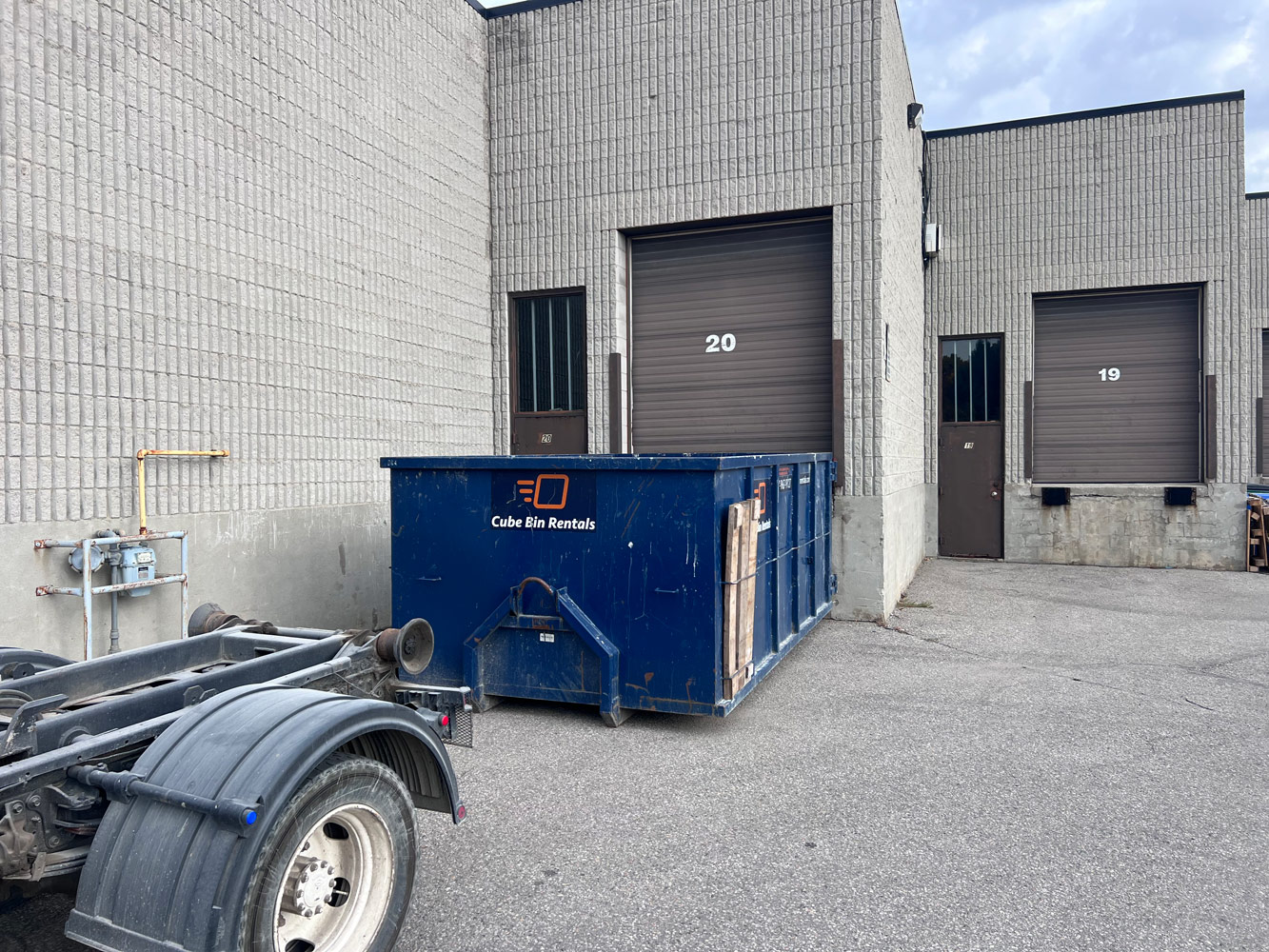
Construction projects generate debris at nearly every stage, from demolition and framing to finishing and final cleanup. Without a practical waste management plan, materials can quickly pile up around the job site, creating unnecessary obstacles for workers and making cleanup more difficult. A construction dumpster rental gives contractors a convenient way to collect and remove debris as the project progresses. However, choosing a dumpster is not simply about finding the biggest container available. The type of materials, estimated debris volume, project schedule, available space, and disposal requirements all need to be considered before booking.
Whether you are managing a home renovation, commercial build, demolition project, or major property improvement, choosing the right roll-off dumpster can help keep the site organised and the project moving efficiently.
What Is a Construction Dumpster Rental?
A construction dumpster rental is a temporary waste container delivered to a construction or renovation site. Roll-off dumpsters are commonly used because they can accommodate bulky debris and can be delivered and removed when required.
The basic process is straightforward. A dumpster is delivered to an agreed location, construction crews load approved debris into the container, and the rental company collects it when the project reaches the scheduled pickup point.
This approach is particularly useful when debris is generated over several days or weeks. Instead of repeatedly loading a truck and travelling to a disposal facility, crews can place waste directly into the container as work progresses.
For contractors, this can make job-site cleanup more predictable and reduce the amount of loose debris occupying valuable working space. Projects focused on renovations may also benefit from a dedicated renovation bin to keep materials contained throughout the work.
What Types of Construction Projects Need a Roll-Off Dumpster?
Almost any project that generates significant quantities of construction or demolition debris can potentially benefit from a roll-off dumpster.
Home renovations are a common example. Kitchen and bathroom remodels can produce cabinets, flooring, drywall, fixtures, packaging, and other materials that are difficult to manage using ordinary household waste collection.
Demolition projects can generate even larger volumes. Removing walls, flooring, roofing, fixtures, or other structural components can create a steady stream of debris that needs to be contained throughout the work.
New construction projects can also benefit from having a dedicated container available on-site. Lumber offcuts, drywall scraps, packaging, insulation, and other construction waste can accumulate quickly as different trades work through the building.
Commercial renovations, office fit-outs, retail improvements, roofing projects, and property redevelopment can similarly require temporary waste capacity that is much greater than standard waste services can provide.
How to Choose the Right Roll-Off Dumpster Size
Selecting the right dumpster size starts with estimating how much material the project will generate. The goal is to choose a container that provides enough capacity without paying for unnecessary space.
A smaller roll-off may be appropriate for a limited renovation, single-room demolition, or project where debris generation is relatively low. Medium-sized containers can work well for larger renovations, roofing work, and general construction debris.
Larger containers may be more suitable for extensive renovations, commercial projects, and major demolition work where bulky materials will accumulate quickly.
However, volume is only one part of the decision. Weight is equally important.
Lightweight materials such as drywall, insulation, packaging, and wood scraps can take up considerable space without reaching a container’s weight limit. Dense materials such as concrete, brick, soil, and certain types of masonry can become heavy long before a dumpster is physically full.
That means a container that looks only partially filled can still be unsuitable for a heavy-material load. Contractors can also review this bin size guide when estimating their requirements.
What Construction Debris Can Go in a Dumpster?
The materials accepted in a construction dumpster depend on the rental provider and disposal facility, so contractors should always confirm the rules before beginning work.
Common construction debris may include lumber, drywall, flooring, cabinets, roofing materials, siding, fixtures, packaging, and general renovation waste.
Some materials may be better handled separately for recycling or specialised disposal. Separating materials at the job site can also make waste management easier and help prevent unsuitable materials from contaminating a mixed load.
The safest approach is to provide the dumpster company with an accurate description of the materials your project will generate before delivery. This allows the appropriate container and disposal arrangement to be selected from the beginning.
Heavy Construction Materials Require Extra Planning
Concrete, brick, asphalt, stone, and soil deserve particular attention because of their weight.
A common mistake is estimating dumpster requirements based only on how much space the debris appears to occupy. Dense materials can make a container too heavy before it is full, which can create transportation and disposal problems.
If your project involves significant quantities of concrete, masonry, soil, or other dense materials, discuss the material with your dumpster provider before booking.
You may need a container specifically suited to heavy debris or a different disposal arrangement altogether. For concrete-related projects, reviewing options for concrete disposal can help with planning.
This is especially important during foundation work, demolition, driveway removal, landscaping construction, and other projects where heavy materials can represent a large portion of the waste stream.
Construction Dumpster Rental vs Other Waste Removal Options
Not every construction cleanup requires the same type of waste removal.
A roll-off dumpster is particularly useful when debris is generated continuously throughout a project. Crews can load the container as they work instead of allowing debris to accumulate in a separate pile.
Junk removal may be more appropriate when the project has already finished and there is one concentrated pile of material that needs to be removed quickly. Contractors can compare these options through this guide to junk removal.
Direct hauling can also make sense in certain situations, particularly when a contractor already has suitable transportation and the disposal requirements are straightforward.
The main advantage of a dumpster is flexibility. The container stays at the job site while work continues, allowing contractors to manage debris according to the project’s schedule.
How Long Should You Rent a Construction Dumpster?
Rental duration should be connected to the project’s actual work schedule.
For a short renovation, a single rental period may be enough. Larger construction projects may require containers for several weeks or multiple pickups as different phases are completed.
Consider when demolition begins, when major material removal will take place, how many workers will be generating debris, and when the site will need its final cleanup.
It is better to plan the pickup schedule around the construction timeline than to wait until the dumpster is overflowing. Understanding the applicable rental duration can also help contractors organise their schedule.
For multi-phase projects, contractors may also need to arrange a replacement or swap when the first container reaches capacity. Discussing this possibility in advance can make it easier to maintain continuous disposal capacity.
Where Should a Construction Dumpster Be Placed?
Dumpster placement should be considered before delivery rather than after the container arrives.
The location needs to provide enough space for the delivery vehicle to access the site and should be convenient for workers loading debris. At the same time, it should not block entrances, emergency routes, construction equipment, or important access points.
The surface should also be stable enough to support the container and delivery equipment.
Contractors should check for overhead obstacles, restricted access areas, narrow driveways, gates, utility lines, and other potential delivery challenges.
If a dumpster needs to be placed on a public street or another regulated area, local requirements or permits may apply. Contractors can review information about a street permit when planning placement in regulated areas.
Confirming these details beforehand can prevent delivery problems and project delays.
What Affects Dumpster Pricing?
Dumpster pricing can vary depending on the requirements of the project rather than simply the size of the container.
The rental period is one factor. A longer rental may have different charges than a short-term project. Container size, debris type, weight, delivery distance, pickup requirements, and disposal arrangements can also affect the overall cost.
Heavy materials may require different handling from ordinary construction debris. Additional pickups or container swaps can also influence the final expense.
For this reason, contractors should look beyond the initial quoted amount. Ask what is included in the rental, how weight is handled, what materials are permitted, how long the rental lasts, and whether additional pickup or disposal charges could apply.
A slightly different dumpster option may ultimately be more efficient if it reduces unnecessary hauls or prevents capacity problems. Reviewing current information about dumpster costs can also help with budgeting.
How Contractors Can Avoid Unexpected Dumpster Costs
Good planning can make dumpster management much more predictable.
Start by estimating the type and amount of debris before ordering. If the project involves multiple material streams, determine whether some materials should be separated rather than placed into one mixed container.
Do not overfill the dumpster. Materials should remain within the provider’s loading requirements so that the container can be safely transported.
It is also important to keep prohibited materials out of the container. Paints, chemicals, certain liquids, hazardous materials, and other restricted waste may require specialised disposal rather than ordinary construction waste handling.
Finally, communicate project changes as early as possible. If demolition is larger than expected or the project schedule changes, contacting the rental provider before the dumpster becomes a problem can help you arrange the appropriate solution.
Construction Dumpster Rental for Multi-Phase Projects
Large construction projects rarely produce the same type or volume of waste from beginning to end.
During demolition, the site may generate large quantities of old fixtures, flooring, drywall, wood, or other removed materials. Framing creates a different stream that can include lumber offcuts and packaging. Later stages may produce smaller quantities of finishing materials and installation waste.
Because of this, a single dumpster strategy may not always work throughout the entire project.
Contractors can plan waste management around individual construction phases and arrange pickup or replacement when necessary. This approach can help prevent the container from becoming overloaded and keeps the work area more organised.
Coordinating dumpster schedules with subcontractors is also important. Everyone working on the project should understand where debris belongs and which materials cannot be placed in the container.
Construction Dumpster Safety and Job-Site Organisation
A dumpster should be treated as part of the overall job-site organisation plan rather than simply a place to throw waste.
Keeping debris contained reduces loose materials around active work areas. Crews should avoid placing waste around the outside of the container and should follow safe loading practices.
Sharp materials, heavy debris, and bulky objects should be handled carefully to reduce the risk of injury. Workers should also avoid climbing into containers or attempting to move them without proper equipment or authorisation.
Keeping the area surrounding the dumpster clear is equally important. Construction sites can become congested quickly, so positioning the container strategically can help maintain access for workers, equipment, and delivery vehicles.
Proper construction waste management can also support recycling and material recovery. Where practical, contractors can separate materials such as metal, clean wood, concrete, or other recyclable streams instead of mixing everything together.
Questions Contractors Should Ask Before Renting
Before arranging a dumpster, contractors should have a clear understanding of their project’s waste requirements.
Ask which dumpster size is appropriate for the expected debris volume and whether the materials being removed have any special weight restrictions.
Confirm which construction materials are accepted and whether hazardous, liquid, heavy, or specialised materials require another disposal method.
It is also useful to ask about the rental period, pickup process, container swaps, placement requirements, loading limits, and any additional charges that could apply.
Having these details confirmed before delivery helps reduce misunderstandings and makes it easier to build dumpster management into the project schedule.
Why Choose Cube Bin Rentals for Construction Dumpster Rental?
Choosing a dependable dumpster provider can make construction waste management easier from the beginning of a project.
Cube Bin Rentals provides construction dumpster rental options for projects that need practical on-site debris management. Whether you are working on a renovation, demolition, construction project, or commercial improvement, the right container can help keep debris contained and the work area more organised.
The team can help you consider factors such as project scope, debris type, container capacity, rental duration, and pickup requirements when planning your dumpster service.
For contractors, having a clear disposal plan before major work begins can make the entire cleanup process more manageable.
Conclusion
Construction debris is an unavoidable part of renovation, demolition, and building projects, but managing it does not have to become a source of delays or unnecessary disruption.
The right dumpster should match the project’s debris volume, material type, weight considerations, available space, and schedule. Contractors should also understand accepted materials, loading requirements, rental terms, and pickup arrangements before work begins.
Whether you are completing a small renovation or managing a large construction project, thoughtful dumpster planning can keep debris under control and help maintain a more organised job site.
Cube Bin Rentals can help contractors determine the appropriate construction dumpster rental solution based on their project’s requirements. Planning your dumpster needs early can make construction cleanup simpler from the first phase through final completion. If you are ready to arrange your service, you can contact Cube Bin Rentals to discuss your project requirements.
Frequently Asked Questions
1. What is a construction dumpster rental?
A construction dumpster rental provides a temporary roll-off container for collecting and removing approved debris generated during construction, renovation, demolition, and related projects.
2. What size dumpster should I rent for a construction project?
The appropriate size depends on the amount and type of debris, the project’s duration, available site space, and the weight of the materials. Heavy debris may require different planning than bulky but lightweight materials.
3. Can I put concrete in a construction dumpster?
Concrete and other heavy materials may have specific weight or container requirements. Always confirm with the dumpster provider before placing concrete, brick, soil, asphalt, or similar materials into a container.
4. What affects dumpster pricing?
Dumpster pricing can be influenced by container size, rental duration, debris type, weight, delivery and pickup requirements, disposal arrangements, and additional services.
5. How long can I keep a construction dumpster?
The rental period depends on the provider and your project requirements. Short renovations may only need a brief rental, while larger construction projects may require longer arrangements or multiple container pickups.