
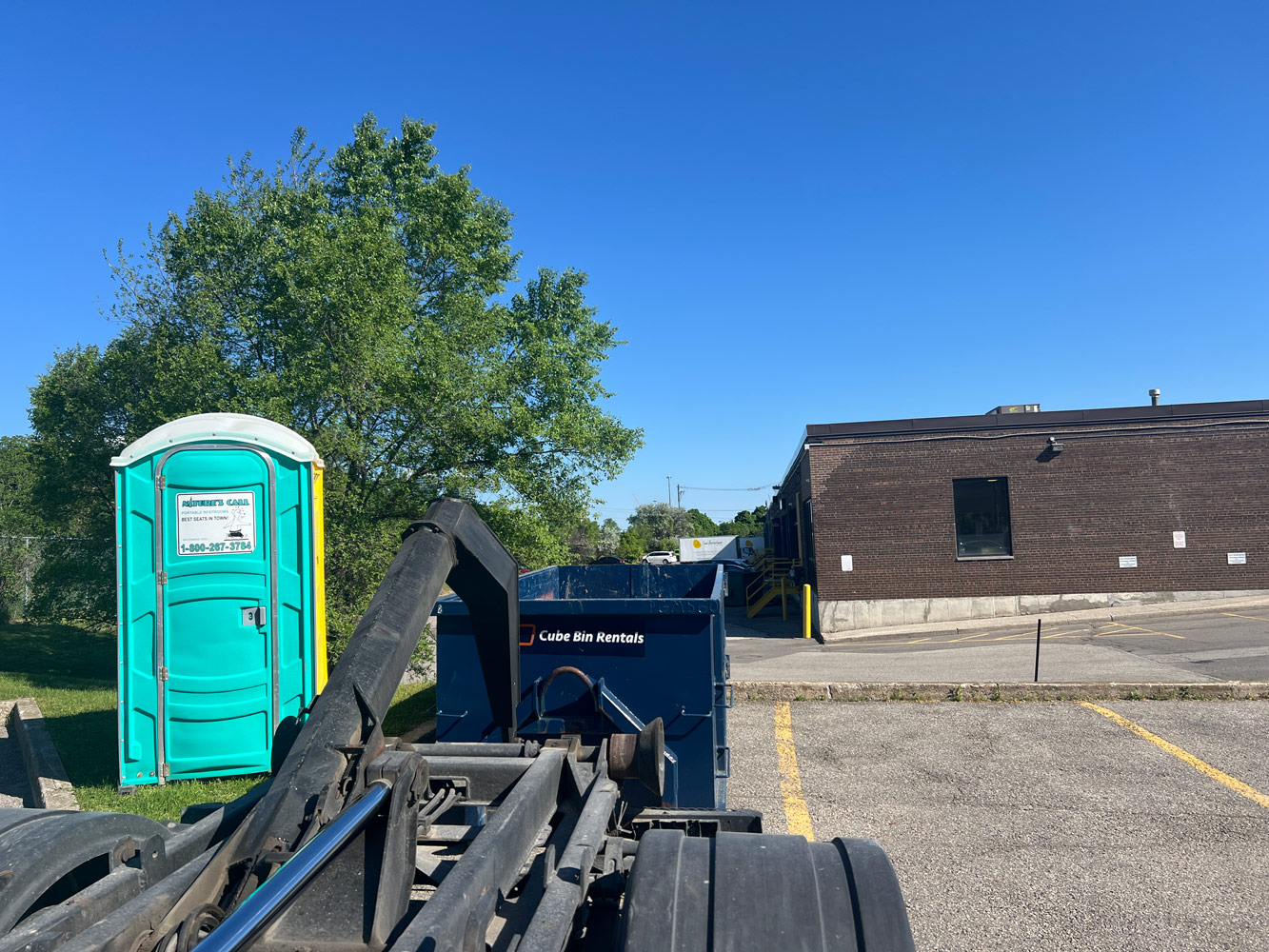
When you have unwanted household items, renovation debris, or other waste to get rid of, finding a suitable local disposal facility can make the cleanup much easier. Many Toronto residents search for dumps near me when they need a convenient place to take unwanted materials, but finding the closest location is only part of the process.
Different waste facilities accept different materials, have different operating requirements, and may charge different fees. Before loading your vehicle and heading out, it is important to understand what type of disposal location you need and whether it can handle your specific waste.
For smaller amounts of waste, taking materials to a local facility may be practical. For larger cleanouts and projects that generate debris over several days, a bin rental can offer a more convenient alternative.
What Are Local Waste Drop-Off Locations?
A local waste drop-off location is a designated facility where residents or businesses can bring specific types of unwanted materials for disposal, recycling, or further processing.
These facilities can include municipal waste sites, transfer stations, recycling depots, household waste facilities, and specialized collection locations.
The type of waste accepted varies from one facility to another. A location that accepts household garbage may not accept construction debris, large appliances, electronics, hazardous products, or other specialized materials.
This is why identifying your waste before choosing a disposal location is important.
How to Find a Suitable Waste Disposal Location
A simple online search can help you identify disposal facilities in your area, but do not choose one based only on distance.
When comparing local options, consider whether the facility accepts your specific materials, whether residential customers can use the site, how much disposal costs, and what hours it operates.
Searches such as dumps near me can return a mixture of municipal facilities, private waste companies, recycling centers, and other services. Read the facility information carefully to determine which option actually matches your needs.
It is also a good idea to check the facility’s current information before leaving. Operating hours, accepted materials, fees, and disposal procedures can change.
Know What You Need to Dispose Of
Before deciding where to take your waste, make a list of the materials you need to remove.
A typical home cleanup might include furniture, cardboard, household garbage, old flooring, wood, appliances, or other unwanted items. A renovation may produce drywall, cabinets, flooring, packaging, and construction debris.
These materials may not all belong in the same disposal stream.
Sorting your waste before transportation can help you identify which items can be recycled, donated, reused, or taken to a specialized facility. A waste sorting guide can also help you understand how different materials may need to be handled.
It can also prevent a situation where you arrive at a disposal site and discover that part of your load is not accepted.
Check Accepted Materials Before Visiting
One of the most common mistakes people make is assuming that a waste facility accepts anything that can no longer be used.
That is not necessarily the case.
Facilities often have restrictions based on material type, size, weight, environmental requirements, or available processing equipment.
If you are disposing of renovation debris, check whether the facility accepts those specific materials. If you have electronics, batteries, chemicals, paint, or other potentially restricted products, find out whether they require a separate disposal program.
Taking a few minutes to confirm the rules before your trip can save you from making an unnecessary journey. You can also review the disposal rules before deciding how to handle your waste.
Consider Disposal Fees
Waste disposal is not always free. Some facilities may charge based on the type or quantity of waste, while others may have minimum charges or vehicle-specific fees.
When comparing disposal options, look beyond the distance from your property.
A nearby location may not necessarily be the most practical if it does not accept your waste or charges significantly more than another suitable facility.
Check whether the facility charges by weight, volume, vehicle load, or material type. Understanding the fee structure beforehand can make it easier to estimate the cost of your disposal trip.
Prepare Your Waste for Transportation
Once you know where your waste is going, prepare it properly for transportation.
Loose materials should be secured so they cannot fall from the vehicle while you are driving. Break down bulky items where possible and separate materials that need to be handled differently.
For example, dismantling large furniture can make it easier to transport and unload. Flattening cardboard can also reduce the amount of space it takes up.
Heavy materials require additional care. Concrete, bricks, soil, and similar debris can quickly add substantial weight to a vehicle, so make sure your vehicle can safely transport the load.
Proper preparation makes the trip safer and can also make unloading faster.
When a Local Drop-Off Makes Sense
Taking waste directly to a local disposal facility can be a practical option when you have a manageable amount of material.
For example, a small household cleanup may only require one trip. If you have a vehicle capable of safely carrying the waste and the facility is reasonably accessible, transporting the materials yourself can be straightforward.
This approach works particularly well when the amount of waste is limited and can be handled in a single load.
The situation can be different when the cleanup involves several rooms, a major renovation, or a large amount of bulky debris.
When Multiple Disposal Trips Become a Problem
Large projects can produce more waste than a personal vehicle can reasonably transport in one trip.
A garage cleanout, basement renovation, home remodeling project, property clearance, or construction job may require multiple trips to a disposal facility.
Each trip takes time. You need to load the vehicle, secure the materials, drive to the facility, wait to unload, return to the property, and repeat the process.
If the project is generating waste continuously, this can become an inconvenient part of the cleanup.
In these situations, having a waste container delivered to the property may be a more practical solution. Understanding how bin rentals work can help you determine whether this option fits your project.
Choosing a Bin Rental for Larger Projects
A rental bin allows you to keep your waste in one place while you work.
Instead of transporting each load yourself, the bin is delivered to your property. You can then load it as you clean, renovate, or complete other work.
This can be particularly useful when the project lasts several days or produces bulky materials that would be difficult to transport repeatedly.
The key is to select a bin that matches the amount and type of waste you expect to generate. Reviewing available bin sizes can help you choose an appropriate container.
Choosing a container that is too small may require another rental or pickup, while choosing one that is much larger than necessary may mean paying for unused capacity.
Sort Recyclable and Reusable Materials
Not everything from a cleanup needs to become garbage.
Before disposing of your unwanted materials, identify anything that can be reused, donated, or recycled.
Furniture in usable condition may be donated. Cardboard, metal, and certain other materials may be recyclable through appropriate programs.
Separating these items can reduce the amount of material that needs to be disposed of as general waste.
It can also make your cleanup more organized because you know exactly where each type of material needs to go.
Handle Special Waste Separately
Some materials require more careful handling than ordinary household garbage.
Certain chemicals, paints, batteries, electronics, and other products may have specific disposal requirements. These materials should not automatically be mixed with general waste or taken to a facility that does not accept them.
If you are unsure about a particular item, check the applicable local disposal guidance before transporting it.
Keeping restricted materials separate from ordinary waste is a simple way to avoid problems at the disposal facility.
Local Disposal or Bin Rental: Which Is Better?
There is no single answer for every cleanup project.
A local drop-off facility may be a good choice when you have a small amount of waste and can transport it safely yourself.
A bin rental can be more convenient when you have a large amount of waste, bulky materials, or a project that will continue generating debris over several days.
Consider the amount of waste, the number of trips required, the type of materials involved, and how much time you want to spend transporting and unloading everything.
The most convenient disposal method is usually the one that fits the actual demands of your project rather than simply the option that appears closest.
A Convenient Waste Removal Option in Toronto
Cube Bin Rentals provides bin rental solutions for homeowners, contractors, and property owners handling cleanup and renovation projects in Toronto.
Instead of repeatedly searching for a disposal facility and transporting individual loads, customers can have a bin delivered to their property and load their waste as the project progresses.
This can be especially useful for home renovations, property cleanouts, construction work, landscaping projects, and other jobs that produce substantial amounts of debris.
Choosing the appropriate bin size and confirming the accepted materials before delivery can help keep the project organized from start to finish.
Final Thoughts
Finding a suitable place to dispose of unwanted materials starts with understanding what you actually have. While searches for dumps near me can help identify disposal options, the closest location is not necessarily the best one for every type of waste.
Check accepted materials, operating hours, disposal fees, and transportation requirements before making a trip. For a small amount of waste, direct drop-off may be simple and convenient. For larger cleanouts, renovations, and projects that generate debris over time, a rental bin can eliminate the need for repeated disposal trips.
Choosing the right approach can make your cleanup more organized, convenient, and manageable. If you need a bin for your project, contact us to discuss your waste disposal needs.
Frequently Asked Questions
1. How can I find a local place to dispose of household waste?
You can search for municipal waste facilities, transfer stations, recycling depots, and other local disposal locations. Check the facility’s current information to confirm accepted materials, operating hours, fees, and access requirements before visiting.
2. Can I take all types of garbage to the same facility?
No. Different facilities have different acceptance rules. Some may handle general household waste, while others specialize in recycling, construction debris, yard waste, electronics, or other materials.
3. What should I check before visiting a waste drop-off location?
Check the facility’s accepted materials, operating hours, disposal fees, weight or vehicle restrictions, and any special requirements for the type of waste you are transporting.
4. When should I rent a bin instead of making disposal trips?
A rental bin may be more convenient for large cleanouts, renovations, construction projects, or any job that produces waste over several days. It can reduce the need to repeatedly load and transport waste yourself.
5. Does Cube Bin Rentals provide bins for large cleanup projects?
Yes. Cube Bin Rentals provides rental bins for various cleanup, renovation, construction, and property improvement projects in Toronto. The right bin can give you a convenient place to collect waste while you complete the work.