
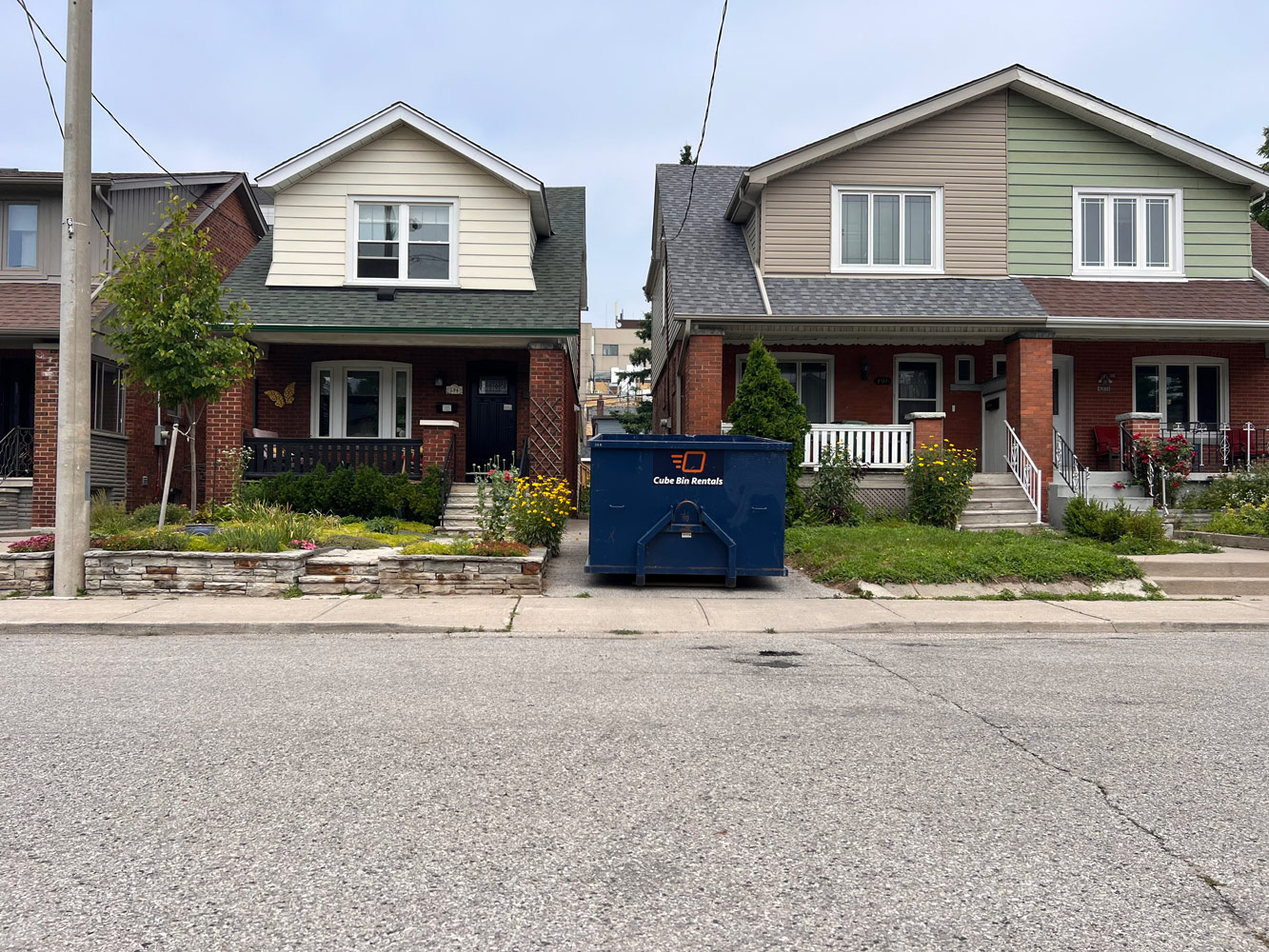
When a renovation, construction project, cleanout, or demolition creates more waste than your regular garbage service can handle, a temporary dumpster can make the cleanup process much easier. A roll off dumpster provides a convenient way to keep debris contained at the property while work is underway.
The process is relatively straightforward, but choosing the right container, preparing the delivery area, understanding rental terms, loading the dumpster properly, and arranging pickup all matter. Planning these steps in advance can help prevent delays, capacity problems, and unexpected charges.
Whether you are renovating a home, clearing out a property, replacing a roof, or managing a construction project, understanding how dumpster rental works can help you choose the right service for your needs.
What Is a Roll-Off Dumpster?
A roll-off dumpster is a large, temporary waste container designed to be delivered and removed using specialised equipment. Unlike permanent commercial dumpsters that are typically emptied on a regular schedule, roll-off containers are brought to a property for a specific project and collected when the work is complete.
These dumpsters are commonly used for home renovations, construction, demolition, roofing, property cleanouts, commercial renovations, landscaping projects, and other jobs that generate substantial amounts of waste.
Their open-top design also makes it easier to load bulky materials directly into the container. Depending on the provider and container design, some units may have a door that provides easier access for loading heavier or larger items.
How Does Roll-Off Dumpster Rental Work?
The rental process can be broken down into a few straightforward stages. First, you identify the type and amount of waste your project will produce. You then select a suitable dumpster size, request a quote, and schedule delivery.
Before the container arrives, you need to prepare an appropriate placement area and make sure the delivery truck can access it. Once the dumpster is delivered, you can load approved materials throughout the rental period.
When the project is finished or the container is full, you arrange pickup. The dumpster is then removed from the property and transported to an appropriate disposal, recycling, or processing facility.
The exact process and rental terms can vary between providers, so it is important to confirm the details before booking.
Step 1: Determine What You Need the Dumpster For
Before choosing a dumpster, consider what kind of project you are completing and what materials you expect to remove.
A bathroom renovation may produce drywall, flooring, cabinets, fixtures, and packaging. A demolition project may generate much larger quantities of wood, drywall, masonry, and other building materials. A property cleanout could involve furniture, household items, and general debris.
Think about the approximate amount of waste, the type of materials involved, how long the project will last, and where the dumpster can be placed.
This information gives the rental provider a better understanding of your requirements and helps you select an appropriate container.
Step 2: Choose the Right Dumpster Size
Roll-off dumpsters come in different capacities, generally measured in cubic yards. The right size depends on the amount of debris you expect to generate rather than simply choosing the largest container available.
A smaller container may be suitable for a limited cleanout or smaller renovation. Medium-sized options can accommodate larger remodeling projects, roofing work, and general construction debris. Larger containers are typically considered for major renovations, demolition, commercial projects, and substantial cleanups.
Weight is just as important as volume. Materials such as concrete, brick, soil, and asphalt are much denser than items such as wood, drywall, or packaging. A dumpster can therefore reach its weight limit even when there appears to be room left inside.
If your project involves heavy debris, discuss the material with the rental provider before selecting a container. You can also review this size guide when estimating your requirements.
Step 3: Request a Quote and Confirm Rental Terms
Once you understand your project requirements, contact the dumpster provider for a quote.
You may need to provide information such as the delivery address, project type, materials being removed, estimated waste volume, preferred delivery date, and expected rental duration.
Do not focus only on the initial quoted amount. Ask what the rental includes and whether there are additional charges associated with extra rental days, excessive weight, additional pickups, disposal, or other services.
It is also useful to understand the provider’s loading requirements and restrictions before the dumpster arrives. Having these details in writing can make the rental process easier to manage.
Step 4: Schedule Your Dumpster Delivery
Delivery should be coordinated with the point in your project when substantial waste will begin accumulating.
For example, if you are planning demolition, having the container available before the demolition starts can prevent debris from building up elsewhere on the property.
Consider your project timeline, contractor schedule, expected delivery window, and any potential delays when arranging delivery.
For larger projects, it may also be helpful to discuss future pickups or dumpster swaps in advance. This can provide a clearer waste management plan if the first container fills before the project is complete.
Step 5: Prepare the Delivery Area
The placement area should be ready before the dumpster arrives.
The truck needs enough room to access the property and safely position the container. The surface should also be stable and suitable for supporting the dumpster.
Look for potential obstacles such as parked vehicles, narrow driveways, gates, low branches, utility lines, construction equipment, and restricted access points.
The dumpster should also be positioned somewhere that is convenient for workers without blocking important entrances, emergency access, or other essential areas. Reviewing these placement tips beforehand can help avoid delivery issues.
If you plan to place the container on a public street or another area subject to local regulations, check whether additional permissions or permits are required.
Step 6: Dumpster Delivery
On the scheduled delivery day, the rental company brings the empty container to your property using a roll-off truck.
The truck needs sufficient space to manoeuvre and position the dumpster safely. Depending on the equipment used, the container is placed onto the prepared surface and left there for the agreed rental period.
Once delivery is complete, check the placement before beginning work. Make sure the container is accessible and that there is enough room around it for safe loading.
If the placement is not suitable, address the issue with the rental provider as soon as possible rather than waiting until the container is full.
Step 7: Load the Dumpster Correctly
Once the dumpster is in place, you can begin loading approved materials.
Try to distribute debris evenly throughout the container rather than concentrating heavy materials in one area. Breaking down bulky materials where practical can also help make better use of the available space.
Most importantly, do not overfill the dumpster. Materials should remain within the required loading limits so the container can be safely transported.
Avoid placing restricted materials inside the dumpster, even if they appear to take up very little space. If you are unsure whether something is permitted, contact the provider before disposing of it. Following proper loading safety practices can also help reduce risks during cleanup.
What Can and Cannot Go in a Roll-Off Dumpster?
Accepted materials vary by rental provider and disposal facility, so customers should always confirm the rules before loading.
Commonly accepted materials may include household junk, furniture, wood, drywall, flooring, roofing materials, cabinets, fixtures, and general renovation debris.
Certain materials may require specialised handling instead. Hazardous substances, chemicals, certain liquids, batteries, paints, and other restricted waste may not be suitable for a standard roll-off container.
Construction projects can also involve heavy materials that have specific weight or disposal requirements.
Checking the accepted-material list before your project begins is much easier than discovering that unsuitable waste has already been loaded into the container. Proper waste sorting can also help when different material types need to be separated.
Step 8: Monitor the Dumpster During the Rental
Do not wait until the dumpster is completely full before thinking about what happens next.
Monitor the amount of debris as the project progresses. If you realise that your container is filling faster than expected, contact the rental company as soon as possible.
Depending on the situation, you may be able to arrange a pickup, request a replacement container, rent an additional dumpster, or discuss a larger container.
This is particularly important for demolition and construction projects where debris volumes can change quickly.
Planning ahead can help keep work moving instead of forcing crews to stop because there is nowhere to place additional debris.
Step 9: Schedule Dumpster Pickup
When you have finished using the dumpster, the next step is arranging pickup according to your rental agreement.
Before the container is collected, make sure the project debris is properly contained and the area around the dumpster is accessible.
Move vehicles, equipment, or other obstacles that could interfere with the pickup truck. If the container is located behind a gate or in an area with restricted access, make sure the provider has the necessary access instructions.
Once the dumpster is collected, the rental company transports the waste to the appropriate disposal, recycling, or processing facility.
Step 10: Waste Disposal and Processing
After pickup, the waste does not simply disappear. The contents are transported to an appropriate facility where they may be sorted, recycled, processed, or disposed of depending on their type and local requirements.
Construction and demolition materials can include recyclable components such as certain metals, wood, concrete, and other materials. Proper waste separation can make recovery and recycling easier when appropriate facilities and services are available.
The final handling of the waste depends on the material, local regulations, and the disposal facility used by the rental provider.
What Factors Affect Roll-Off Dumpster Rental Costs?
The cost of a dumpster rental depends on several factors, so there is not one standard price that applies to every project.
Container size is one consideration, but rental duration, debris type, load weight, delivery distance, pickup requirements, and disposal arrangements can also affect the overall cost.
Additional rental days or extra pickups may also change the final amount. Projects involving heavy debris can have different disposal requirements from projects containing primarily lightweight materials.
When comparing providers, look at the complete rental terms rather than focusing only on the initial advertised rate. Understanding what is included can make it easier to compare options and avoid surprises. You can also review this pricing guide for additional information.
How to Make the Roll-Off Rental Process Easier
A little preparation can make the entire rental process more efficient.
Start by estimating the amount and type of debris your project will generate. Choose a container based on both volume and weight considerations, then schedule delivery around your actual project timeline.
Prepare the placement area before delivery and make sure the truck can access the location. Review the provider’s accepted-material list and loading requirements before putting anything into the dumpster.
Finally, plan pickup in advance when possible. If you expect the project to generate more debris than one container can accommodate, discuss additional pickups or swaps before work begins.
When Should You Rent a Roll-Off Dumpster?
A roll-off dumpster can be useful whenever a project generates more waste than ordinary collection services can reasonably handle.
Home renovations, roof replacements, demolition work, construction projects, commercial renovations, property cleanouts, landscaping projects, and storm-related cleanup can all create substantial amounts of debris.
The key consideration is whether you need temporary on-site capacity. If debris will be generated over several days or throughout different stages of a project, having a container available at the property can make waste management much more convenient.
Why Choose Cube Bin Rentals?
Choosing the right rental provider can make each stage of the dumpster process easier to coordinate.
Cube Bin Rentals provides dumpster solutions for customers completing renovations, construction projects, cleanouts, demolition work, and other projects that require temporary waste capacity.
The right container can help keep debris contained while work continues, and proper scheduling can make delivery and pickup fit more smoothly into your project timeline.
If you are unsure which container is appropriate for your project, discussing the type and volume of debris with Cube Bin Rentals can help you make a more informed decision before booking.
Conclusion
Understanding how roll off dumpster rental works makes it easier to plan waste removal before your project begins. The process starts with identifying your debris requirements and choosing an appropriate container, followed by booking, delivery preparation, loading, monitoring, and pickup.
The most important step is planning ahead. Consider the amount and type of waste, dumpster size, rental duration, placement location, loading requirements, and pickup schedule before work gets underway.
With the right container and a clear disposal plan, you can keep construction debris, renovation waste, or cleanup materials contained while maintaining a more organised work area.
Cube Bin Rentals can help you plan the dumpster service around your project’s specific requirements so you can focus on completing the work rather than dealing with waste piling up around the property. To discuss your requirements, contact Cube Bin Rentals.
Frequently Asked Questions
1. How does roll-off dumpster rental work?
The process typically involves selecting a suitable dumpster, requesting a quote, scheduling delivery, preparing the placement area, loading approved materials, and arranging pickup when the project is finished.
2. How do I know what size roll-off dumpster I need?
The appropriate size depends on the amount and type of debris your project will generate. Consider both the physical volume of the waste and its weight, particularly when disposing of heavy materials.
3. How long can I keep a roll-off dumpster?
Rental periods vary depending on the provider and project requirements. Confirm the included rental period when booking and ask about options for extending the rental if your project takes longer than expected.
4. What can I put in a roll-off dumpster?
Accepted materials vary, but common project debris can include wood, drywall, flooring, roofing materials, furniture, fixtures, and other approved waste. Restricted or hazardous materials may require specialised disposal.
5. What happens if my dumpster gets full before my project is finished?
Contact the rental provider as soon as you know the container may not be large enough. Depending on availability, you may be able to arrange a pickup, replacement container, additional dumpster, or another suitable solution.